
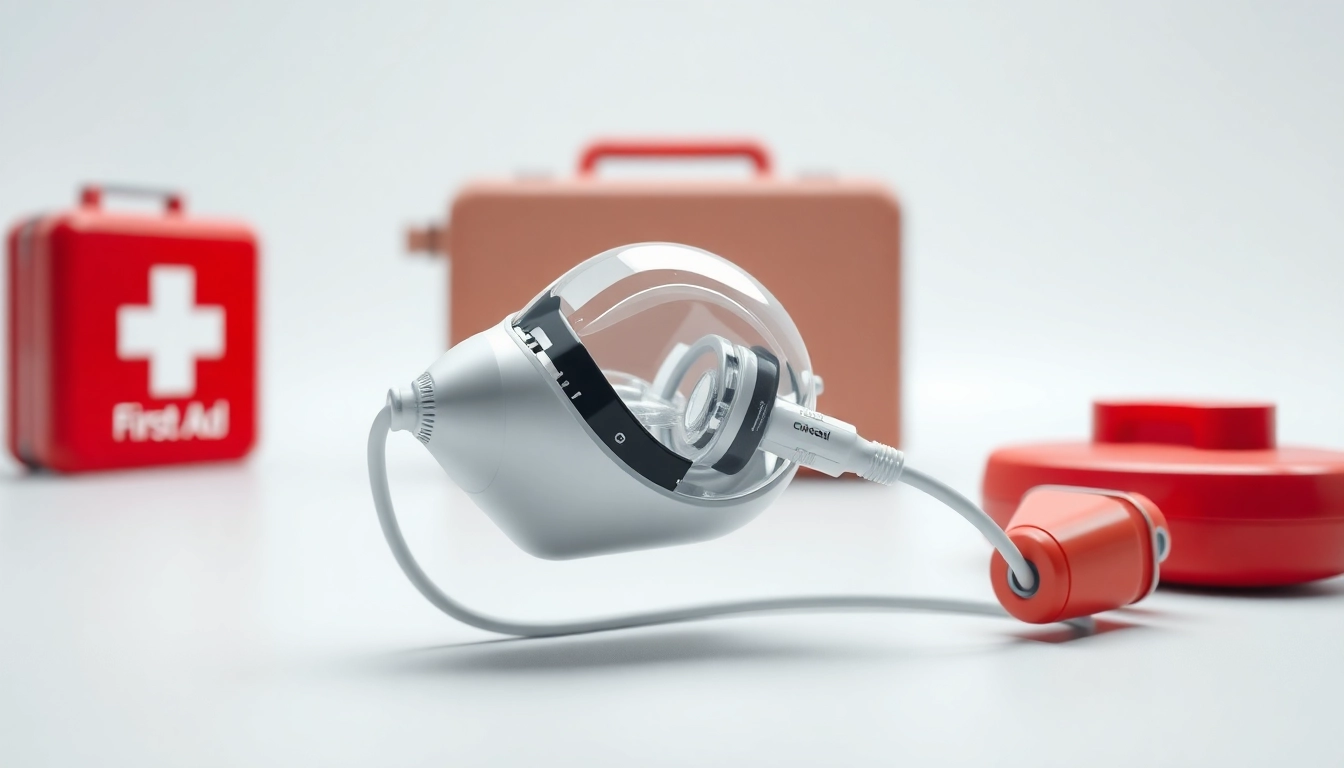
Introduction to Choking Devices
In emergency situations, having the right tools at your disposal can mean the difference between life and death. Among these tools, a choking device plays a pivotal role. Knowing what these devices are, why they are essential, and how to use them effectively can empower individuals and organizations to respond swiftly in critical moments.
What is a Choking Device?
A choking device is a medical tool designed to address airway obstructions caused by choking. These devices come in various forms, including mechanical and inflatable apparatuses that assist in clearing the airway of an individual who is unable to breathe. They are frequently seen in public places such as restaurants, schools, and workplaces, where the risk of choking incidents can be prevalent.
Why Are Choking Devices Essential?
The necessity of choking devices cannot be overstated. Choking is a leading cause of accidental death, especially among children and the elderly. A choking device provides a quick and effective method for removing obstructions from the airway, ensuring that individuals can breathe freely. Additionally, having devices readily available fosters a culture of safety, encouraging people to act in emergencies rather than stand by helplessly.
Types of Choking Devices
Choking devices vary in design and functionality, each suited to different scenarios:
- Heimlich Maneuver Devices: These mechanical devices simulate the pressure applied during the Heimlich maneuver, helping to dislodge items stuck in the throat.
- Inflatable Airway Obstruction Devices: These can be inserted into the mouth and inflated to displace blockages, clearing the airway.
- Manual Suction Devices: Used primarily by trained medical personnel, these offer a means to remove foreign objects via suction.
How Choking Devices Work
Mechanism of Action
The core function of a choking device is to create pressure and airflow dynamics that can expel the obstruction in the airway. When applied correctly, these devices can mimic the natural Heimlich maneuver or use controlled suction to draw out blockages. It is essential for users to understand the mechanics behind each device to utilize them effectively in real scenarios.
Safety Features Explained
Modern choking devices often incorporate safety features designed to minimize risk during use. These could include:
- Non-slip grips: Ensures firm handling in high-stress situations.
- Indicator lights or alarms: Notify users when the device is activated or if a blockage is removed successfully.
- Child-proof designs: Prevent accidental activation, especially in environments frequented by children.
Effective Usage Techniques
To maximize the effectiveness of a choking device, it is crucial to be trained in its proper usage. This emphasizes the importance of practicing the steps involved in device operation, as familiarity under pressure can lead to quicker and more effective responses. For example, knowing where to position the device and how to execute the procedure swiftly can significantly impact outcomes during a choking emergency.
Choosing the Right Choking Device
Factors to Consider
Choosing the appropriate choking device involves several critical factors:
- User proficiency: Some devices require more skill than others; consider who will be using the device most often.
- Environment: Assess the location where the device will be stored and if it must be portable or permanently stationed.
- Age group considerations: Specific devices may be better suited for children or adults based on their design.
Comparison of Available Options
Conducting a side-by-side comparison of various choking devices can help in identifying the best fit for your needs. Features to focus on include:
- Effectiveness in real-world scenarios.
- Ease of use for both laypersons and trained professionals.
- Cost-effectiveness versus quality of construction.
Cost and Quality Assessment
Investing in a choking device requires balancing cost with the quality and reliability of the product. While cheaper options may be tempting, it is often worth spending a little more for a proven and durable device. Review customer feedback and expert recommendations to discern the potential long-term value of your purchase.
Best Practices for Implementing Choking Devices
Training for Effective Use
Regular training sessions should be implemented for anyone responsible for using a choking device. This training should cover not only how to use the device but also recognize signs of choking and how to assess the urgency of the situation. Simulated drills can help keep skills sharp and boost confidence in emergency responses.
Periodic Maintenance Tips
Maintaining choking devices is crucial to ensure their readiness for deployment. Consider the following tips:
- Inspect devices regularly for any signs of wear or damage.
- Ensure all components function correctly before storing the device.
- Store in a designated location that is known to everyone who may need to use it.
Common Mistakes to Avoid
To mitigate the risk of failure during an emergency, be mindful of common mistakes such as:
- Neglecting to familiarize oneself with the device’s operation.
- Storing the choking device in an inaccessible location.
- Failing to replace or maintain outdated devices.
FAQs about Choking Devices
What should I look for when buying a choking device?
Look for ease of use, safety features, suitability for diverse age groups, and reliability based on reviews and certifications.
How often should I replace my choking device?
Replace your choking device every few years or earlier if it shows signs of wear, damage, or obsolescence. Regular inspections are crucial.
Can children use choking devices?
Yes, but ensure that the choking device is specifically designed for children’s safety and ease of use.
Where should I keep my choking device?
Store choking devices in easily accessible locations, such as kitchens or dining areas, where choking incidents are more likely to occur.
Are there choking devices for specialized uses?
Yes, there are choking devices tailored for various environments, including commercial settings and specialized medical use—for example, pediatric or adult versions.