Understanding Event Videography Essentials
What is Event Videography?
Event videography is a specialized field of video production dedicated to capturing live events in a high-quality visual format. It serves various purposes—be it preserving memories, broadcasting moments live, or providing a promotional tool for future events. Events range from weddings and corporate functions to concerts and parties. The essence of event videography lies in storytelling, where the videographer captures not just the event’s key moments but also the emotions and atmosphere that unfold. For those looking to explore event videography services, Event videography offers a comprehensive array of solutions tailored to diverse needs.
Key Equipment for Event Videography
When embarking on a journey in event videography, having the right equipment is paramount. Here are the essential tools:
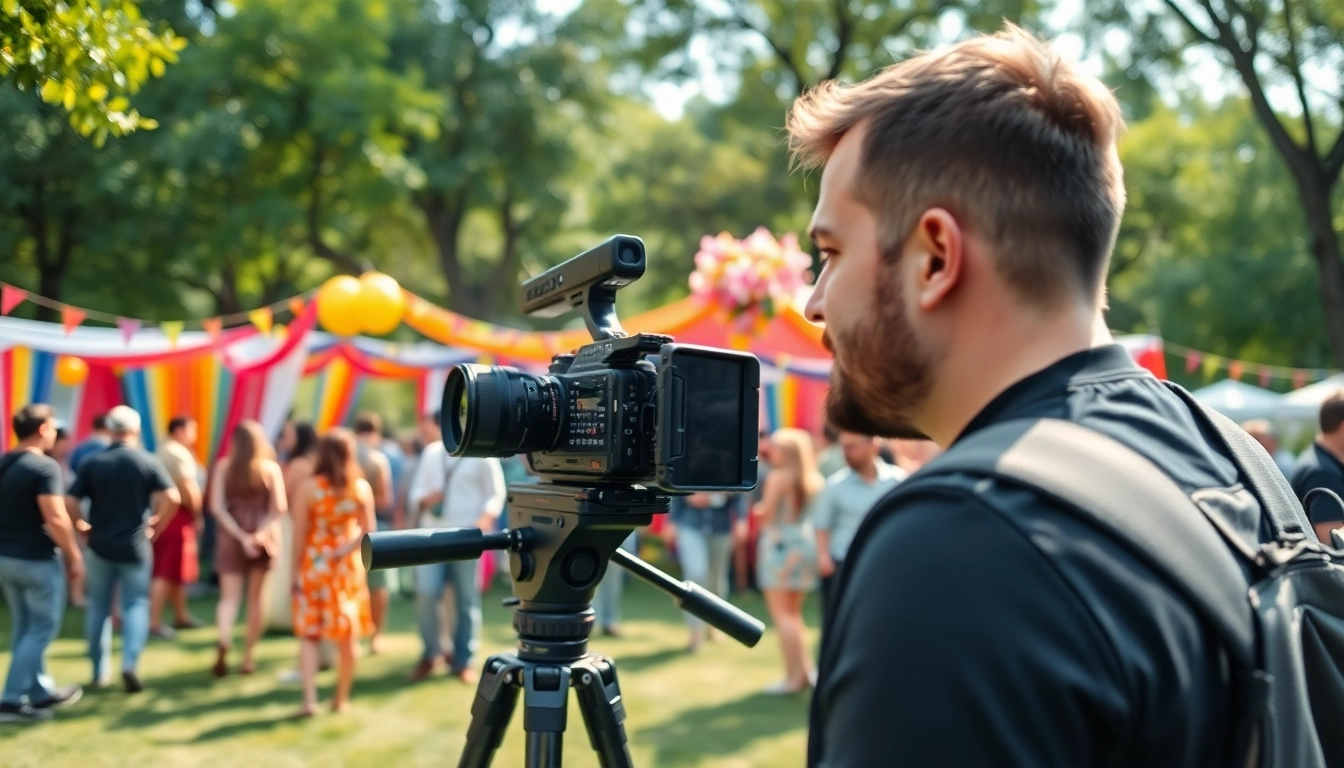
- Camera: A DSLR or mirrorless camera with high video capabilities is ideal. Look for models that can shoot in 4K resolution.
- Stabilization Gear: Gimbals and tripods help secure smooth footage by eliminating camera shake.
- Microphones: Invest in quality audio recording equipment, such as lavalier mics for interviews and shotgun mics for capturing ambient sound.
- Lighting Equipment: Portable lights can enhance video quality in various environments, especially indoors or during evening events.
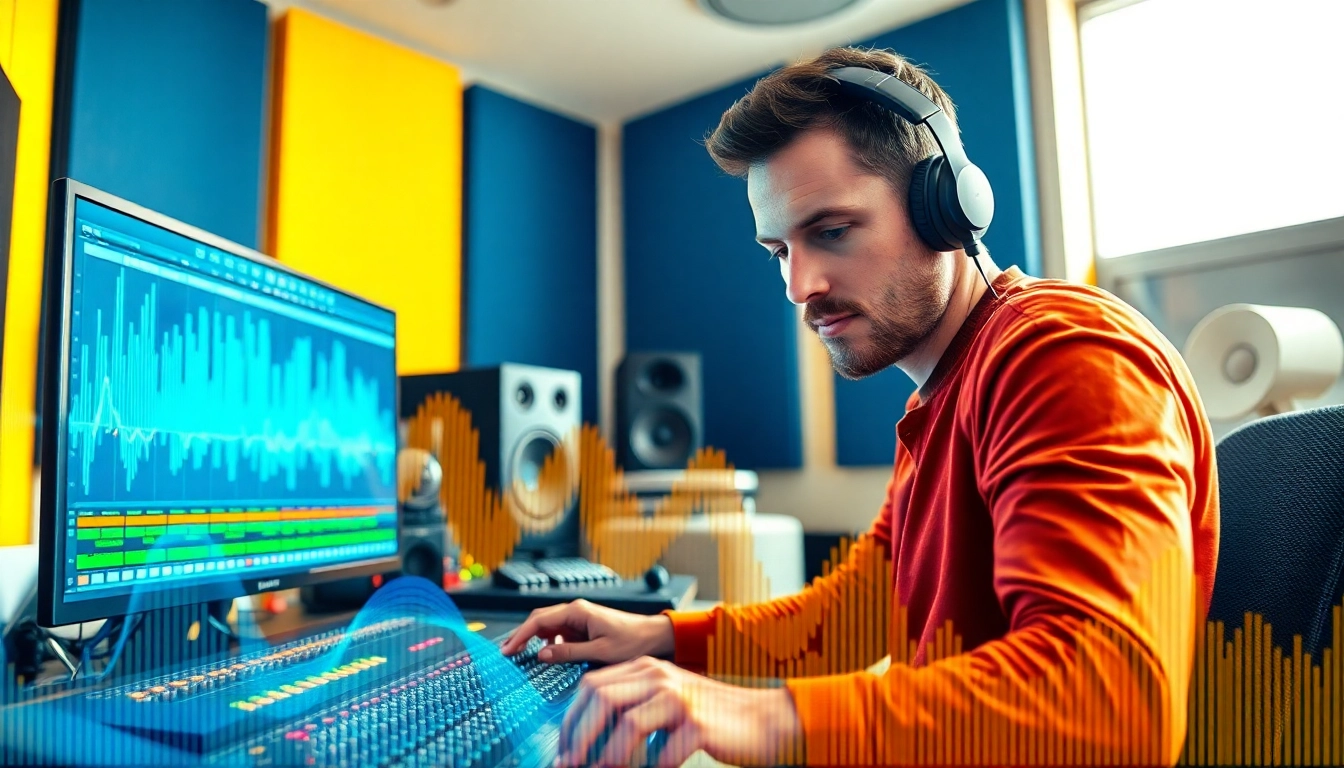
- Editing Software: Software like Adobe Premiere Pro or Final Cut Pro enables videographers to create polished final products.
Planning Your Event Videography Strategy
To achieve compelling results, it is essential to have a well-thought-out plan. Consider the following steps:
- Consultation: Meet with clients to understand their vision and the specifics of the event, including key participants and moments they want captured.
- Storyboard: Create a flow chart or storyboard outlining key shots, the schedule, and potential challenges.
- Scout Locations: Visit the venue beforehand to identify the best locations for shooting and determine lighting conditions.
- Prepare Backup Plans: Events can be unpredictable. Have contingency plans for adverse weather or venue changes.
Types of Events to Capture
Weddings: The Heartfelt Narratives
Weddings are one of the most popular events for videographers, serving as profound personal narratives. Capturing the essence of love and celebration requires sensitivity and creativity. Essential elements include:
- Pre-Ceremony Shots: Documenting atmosphere in locations like the bride’s preparation room offers intimate insight.
- Ceremony Highlights: Capturing vows, rings, and reactions are crucial as they create the core narrative.
- Reception Excitement: Coverage of the first dance, speeches, and interactions among guests enhance the story.
Utilizing various angles and candid shots leads to a vibrant wedding video that resonates emotionally with viewers.
Corporate Events: Professional and Engaging
Corporate events, including product launches and conferences, require a polished approach. Structuring these projects involves:
- Highlighting Keynote Speakers: Capturing their speeches and audience interactions emphasized expertise and engagement.
- Documenting Workshops: Showcasing interactions in workshops conveys the event’s educational value.
- Networking Moments: This emphasizes the business aspect and the building of professional relationships.
Ultimately, corporate videography should reflect professionalism while engaging a target audience through compelling content.
Parties and Celebrations: Capturing Fun Moments
From birthday bashes to anniversary celebrations, parties present a chance for vibrant storytelling. Important aspects to focus on include:
- Candid Moments: Unposed interactions create authenticity and express the event’s joy.
- Activities and Entertainment: Documenting games and performances engages viewers and enhances the narrative.
- Personalized Messages: Including guests expressing their well-wishes adds a heartfelt touch to the final video.
These elements collectively shape a narrative filled with energy, delight, and shared experiences.
Techniques for Effective Event Videography
Storytelling through Editing
A compelling video doesn’t just capture moments; it tells a story. Good editing practices play a pivotal role:
- Establishing a Theme: Organize footage to weave a coherent narrative focus using motifs that anchor the video.
- Using Cutaways: Insert B-roll footage for context to enhance primary shots, adding depth to the narrative.
- Pacing: Combine different shot lengths to maintain viewer engagement, balancing fast and slow scenes.
Using Music to Enhance Emotion
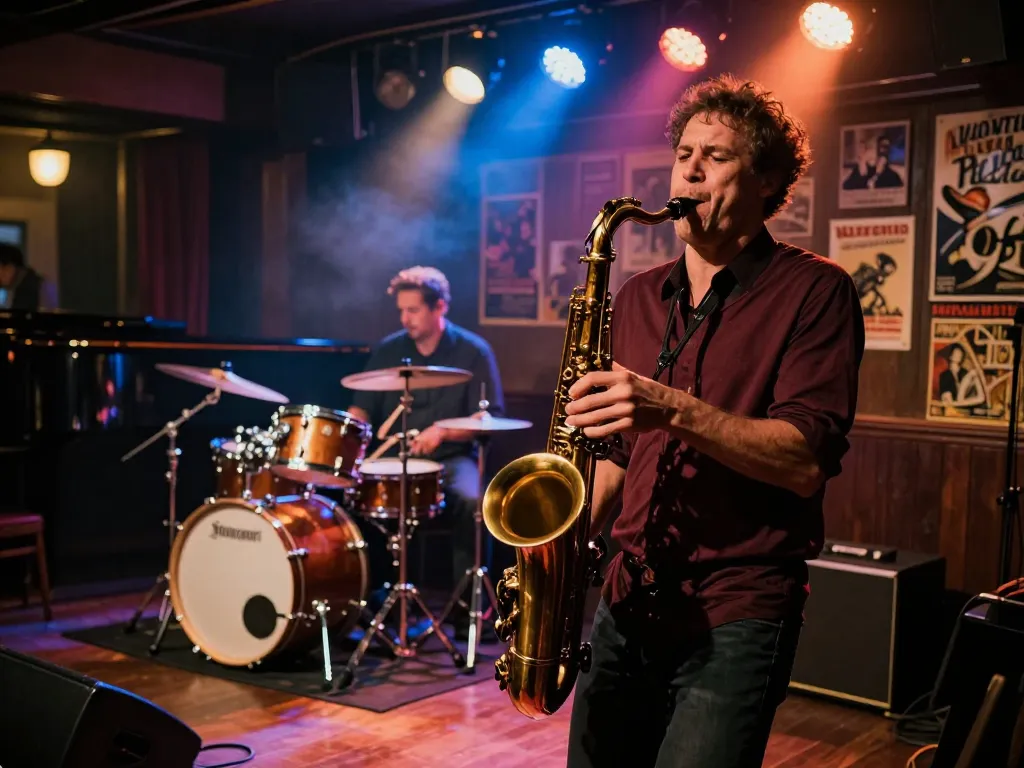
Soundtracks can elevate emotional responses significantly. When selecting music:
- Match the Tone: Ensure the music resonates with the type of event, using uplifting tracks for joyful moments and softer melodies for emotional ones.
- Sync with Edits: Edit video segments in rhythm with the music, enhancing the visual experience for viewers.
- Licensing: Always ensure the music is properly licensed to avoid copyright issues.
Capturing Key Moments and Details
Successful event videography hinges on never missing the significant moments:
- Anticipate Key Events: Vegas shots of cake cutting at weddings or opening remarks in corporate settings should be priorities.
- Incorporate Detail Shots: Close-ups of décor, invitations, or personal mementos add depth.
- Engagement with Guests: Capturing heartfelt interactions among participants conveys the event’s spirit.
Challenges in Event Videography
Dealing with Unpredictable Weather
Weather conditions can impact outdoor events drastically. To manage unforeseen weather:
- Always Have a Backup Plan: If an outdoor ceremony is planned, prepare for alternative indoor options.
- Use Weather-Resistant Equipment: Consider protective gear for cameras, ensuring functionality under various conditions.
- Scout Indoor Venues: In advance, know available indoor spaces for contingencies.
Managing Time Constraints
Events operate on tight schedules. To capture everything:
- Effective Communication: Maintain open dialogue with event coordinators for updates and critical timelines.
- Prioritize Shots: Know which moments need immediate focus and prepare appropriate equipment for quick transitions.
- Thorough Pre-Planning: Having a detailed schedule, pre-defined shot lists, and contingency strategies helps ensure coverage.
Adapting to Different Venues
Different venues come with distinctive challenges. Here’s how to adapt effectively:
- Understand Venue Layout: Familiarize yourself with event layouts, identifying optimal angles and focal areas.
- Lighting Conditions: Assess lighting before the event and determine necessary equipment to supplement low-light scenarios.
- Noise Levels: Consider acoustic environments and position microphones accordingly to capture clear audio.
FAQs about Event Videography
What is the best equipment for beginners in Event videography?
Start with a reliable DSLR or mirrorless camera, a tripod, and affordable video editing software. Invest in good microphones for quality audio.
How can I improve my Event videography skills?
Practice regularly, study successful event videos, and seek feedback. Attend workshops to learn new techniques and stay updated on industry trends.
What editing software is recommended for Event videography?
Popular choices include Adobe Premiere Pro and Final Cut Pro for advanced features, while DaVinci Resolve offers a free option with plenty of professional capabilities.
How should I prepare for an event shoot?
Consult with clients to understand their vision, create a detailed shot list, scout the venue, and prepare equipment to ensure smooth execution.
What should be included in an Event videography package?
Packages should include pre-event consultations, multiple camera coverage, editing services, travel fees, and options for raw footage or additional edits.