- Understanding the Role of a New Jersey Commercial General Contractor
- Choosing the Right New Jersey Commercial General Contractor
- Cost Considerations for Hiring a New Jersey Commercial General Contractor
- Best Practices for Working with a New Jersey Commercial General Contractor
- Future Trends in Commercial Contracting in New Jersey
Understanding the Role of a New Jersey Commercial General Contractor
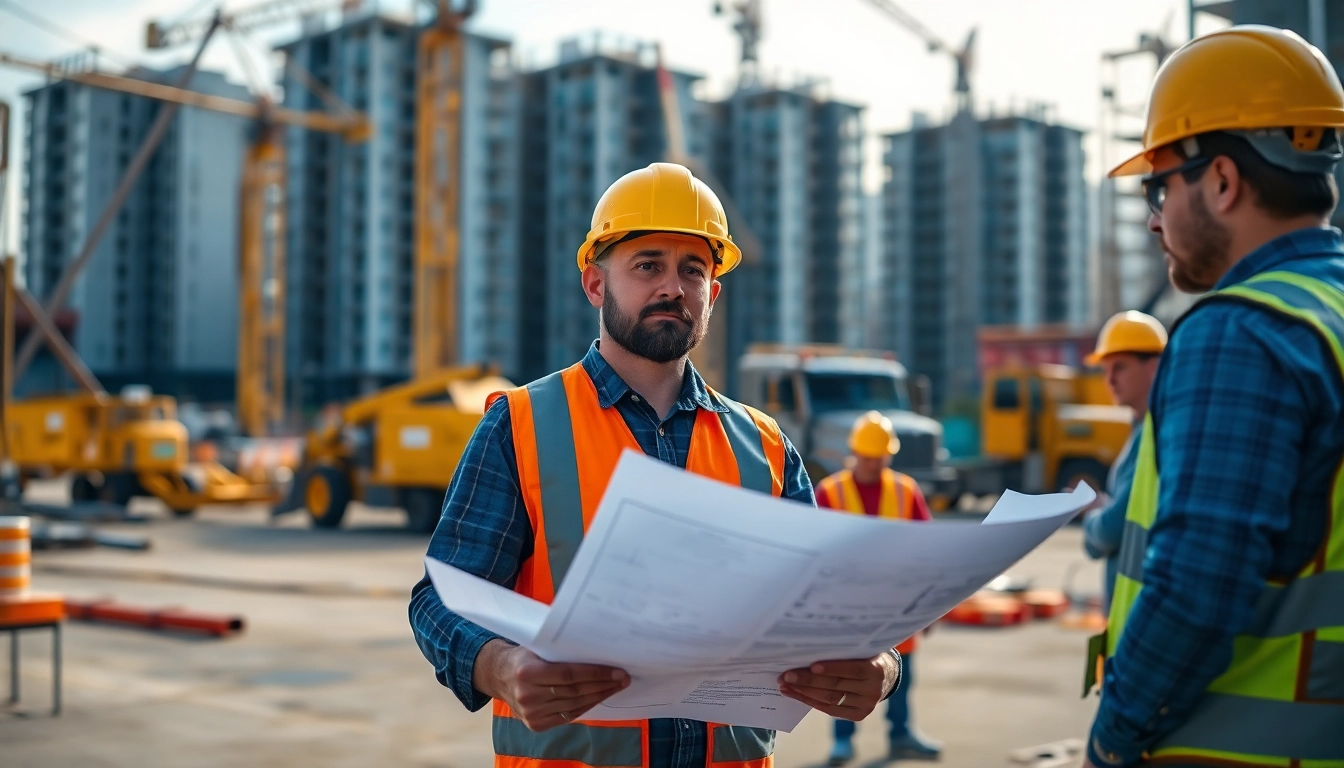
A New Jersey Commercial General Contractor plays a crucial role in the construction landscape. From overseeing large-scale projects to ensuring compliance with local regulations, their responsibilities are numerous and essential for the success of any commercial endeavor. Engaging with a qualified New Jersey Commercial General Contractor can significantly elevate a project’s quality and efficiency. In this section, we will delve into the main responsibilities and skills required, their importance in project management, and some common misconceptions surrounding their role.
Key Responsibilities and Skills
The duties of a New Jersey Commercial General Contractor extend beyond mere construction supervision. Key responsibilities include:
- Project Coordination: They synchronize the entire construction process, including scheduling, resource allocation, and site management.
- Budget Management: They develop and manage project budgets, ensuring all financial aspects are adhered to during construction.
- Compliance and Safety: Adherence to local laws, safety codes, and regulations is paramount. Contractors ensure that all work complies with legal and safety standards.
- Subcontractor Oversight: General contractors hire and manage subcontractors who specialize in various trades such as plumbing, electrical, and carpentry.
- Quality Control: They enforce quality assurance practices to ensure that the project meets the required standards and specifications.
To fulfill these responsibilities, a contractor must possess a diverse skill set, including strong communication, negotiation, problem-solving abilities, and a solid understanding of construction principles and practices.
Importance in Project Management
Commercial projects often encompass various stakeholders, including clients, architects, and government agencies. A New Jersey Commercial General Contractor acts as the primary point of contact to facilitate communication among these parties, ensuring that everyone is aligned on project goals, timelines, and budgets. Their role in project management is vital, as they:
- Establish Clear Milestones: By outlining project timelines, they help set expectations for completion and progress tracking.
- Identify and Mitigate Risks: With their expertise, general contractors can foresee potential setbacks, developing contingency plans to address them effectively.
- Optimize Resource Allocation: They ensure that labor and materials are used efficiently, reducing waste and increasing productivity.
Overall, their involvement is critical in ensuring a seamless construction process from inception to completion.
Common Misconceptions
Despite their pivotal role, several misconceptions about New Jersey Commercial General Contractors can lead to misunderstandings:
- They Only Supervise Construction: In reality, their role encompasses extensive planning, budgeting, and collaboration before construction even begins.
- All Contractors Are Alike: Not all general contractors possess the same level of expertise. It’s crucial to evaluate their experience and previous projects to identify the right fit for your needs.
- Hiring a Contractor is an Extra Expense: Many believe that hiring a general contractor is an unnecessary cost. However, their ability to control budgets and timelines can lead to overall cost savings.
Choosing the Right New Jersey Commercial General Contractor
Finding the right contractor is crucial for the success of your project. A well-chosen New Jersey Commercial General Contractor will not only bring expertise but also align closely with your project’s objectives. This section outlines key considerations when selecting a contractor.
Evaluating Experience and Credentials
The first step in choosing a contractor involves a thorough evaluation of their experience and credentials. Essential factors to consider include:
- Licensing: Ensure the contractor holds a valid New Jersey state license and any necessary certifications, which indicates they meet industry standards.
- Years in Business: Experience is a strong indicator of reliability. A contractor with a long history in the industry probably has a proven track record.
- Specialization: Some contractors focus specifically on commercial projects, which is critical for understanding the complexity of larger builds.
By thoroughly vetting these elements, clients can better ascertain which contractor is best suited to their specific needs.
Reviewing Previous Projects
Past project experience significantly highlights a contractor’s capability. When reviewing a contractor’s previous projects, consider the following:
- Diversity of Projects: Look for a portfolio that demonstrates a range of completed projects to gauge versatility.
- Quality of Work: Focus on finished projects and request site visits if possible to evaluate the quality firsthand.
- Client Testimonials: Reach out to previous clients for their feedback. Positive experiences are a strong indicator of a contractor’s reliability.
This deep dive into past work can help avoid potential pitfalls and ensure a more streamlined construction experience.
Questions to Ask During Consultations
Once prospective contractors are shortlisted, a thorough consultation is essential. Prepare questions that will elicit helpful information:
- What is your approach to managing budgets and timelines? This question will reveal their planning and organizational strategies.
- Can you provide references from past clients? Validating their claims through past client feedback adds another layer of assurance.
- How do you handle unforeseen issues during construction? Understanding their problem-solving methods is critical to gauge their adaptability.
Engaging in open conversations about these topics can lead to an informed decision regarding the best contractor for your needs.
Cost Considerations for Hiring a New Jersey Commercial General Contractor
Hiring a New Jersey Commercial General Contractor involves various cost considerations that clients must account for to avoid budget overruns. This section dissects service fees, estimates, and unexpected costs that may arise throughout a project.
Breaking Down Service Fees
The structure of service fees can vary significantly among contractors. It’s essential to understand how these fees are determined:
- Percentage of Total Project Cost: Many contractors charge a fee based on a percentage of the total project budget, which usually ranges from 5-20%.
- Hourly Rates: For smaller or short-term projects, some contractors may charge hourly rates, requiring clear specifications on the number of hours billed.
- Fixed Rates: For well-defined projects, fixed-rate contracts may be beneficial as they provide clarity on total project costs upfront.
Understanding these fee structures helps clients plan their finances more effectively and avoid unexpected financial burdens.
Understanding Estimates and Contracts
Once negotiations are underway, contractors will produce estimates and contracts that outline the scope of work and associated costs:
- Detailed Estimates: A complete estimate should break down labor, materials, and additional costs, providing transparency regarding pricing.
- Reviewing Contracts: Contracts should clearly state all responsibilities, timelines, and payment structures to avoid potential disputes.
Ensuring clarity in these documents can prevent misunderstandings and foster a smoother project execution.
Budgeting for Unexpected Costs
No construction project is immune to unforeseen circumstances that can lead to increased expenditures. It’s crucial to account for these potential expenses:
- Contingency Fund: A common practice is to set aside 10-20% of the total budget as a contingency fund to cover unexpected costs.
- Regular Monitoring: Regularly monitoring project progress and expenses helps identify potential overruns early on, allowing for timely adjustments.
By proactively budgeting for unexpected costs, clients can reduce stress and foster a more positive construction experience.
Best Practices for Working with a New Jersey Commercial General Contractor
To optimize collaboration and project success, certain best practices for working with a New Jersey Commercial General Contractor should be followed. This section discusses effective communication, timeline setting, and change management.
Effective Communication Strategies
Strong communication is the bedrock of a productive contractor-client relationship. Consider these strategies:
- Establish Regular Check-ins: Schedule consistent meetings to review progress and address concerns promptly.
- Transparency with Expectation: Discuss goals and expectations openly, ensuring both parties are aligned throughout the project.
Effective communication cultivates trust and encourages a collaborative atmosphere, helping to keep the project on track.
Setting Realistic Timelines
Setting achievable timelines is crucial in construction project management. Factors to account for include:
- Project Scope Clarity: Ensure the project scope is well-defined to minimize scope changes that can derail timelines.
- Understanding Seasonal Constraints: Weather conditions in New Jersey can affect construction; plan timelines accordingly.
Realistic timelines enhance project efficiency and allow for better management of labor and resources.
Managing Changes and Adjustments
Changes in project requirements can be common. A structured approach to manage these adjustments includes:
- Documenting Changes: Ensure all changes are documented formally to maintain clarity on the new scope and budget impacts.
- Evaluating Impact: Assess how changes affect timelines, costs, and overall project goals before proceeding.
Properly managing changes minimizes disruptions and fosters a smoother construction process.
Future Trends in Commercial Contracting in New Jersey
The commercial contracting sector in New Jersey is evolving rapidly, driven by technological advancements, regulatory changes, and a focus on sustainability. In this section, we explore crucial trends shaping the industry.
Technological Advancements in Construction
The integration of technology in construction is revolutionizing project execution:
- BIM (Building Information Modeling): This technology enables stakeholders to visualize projects in a 3D environment, facilitating better planning and collaboration.
- Drones: Drones are increasingly used for surveying and monitoring site progress, providing real-time data to contractors and clients.
The adoption of these technologies enhances efficiency, reduces errors, and improves safety on job sites.
Regulatory Changes and Compliance
Staying compliant with evolving local and state regulations is crucial for all contractors. Expect to see changes in:
- Building Codes: Updates to safety and sustainability codes may require modifications to design and construction practices.
- Permitting Processes: Streamlining of permitting may create more efficient project timelines.
Being proactive regarding these regulatory changes ensures adherence and minimizes project delays.
Green Building Practices
Environmental responsibility is becoming a central focus in construction. Key trends include:
- Sustainable Materials: An increase in the use of recycled and eco-friendly materials is essential for reducing the environmental impact.
- Energy Efficiency: Incorporating energy-efficient designs and technologies is now a priority, leading to long-term savings for clients.
Embracing green building practices is necessary for staying competitive in the marketplace and advancing environmental stewardship.