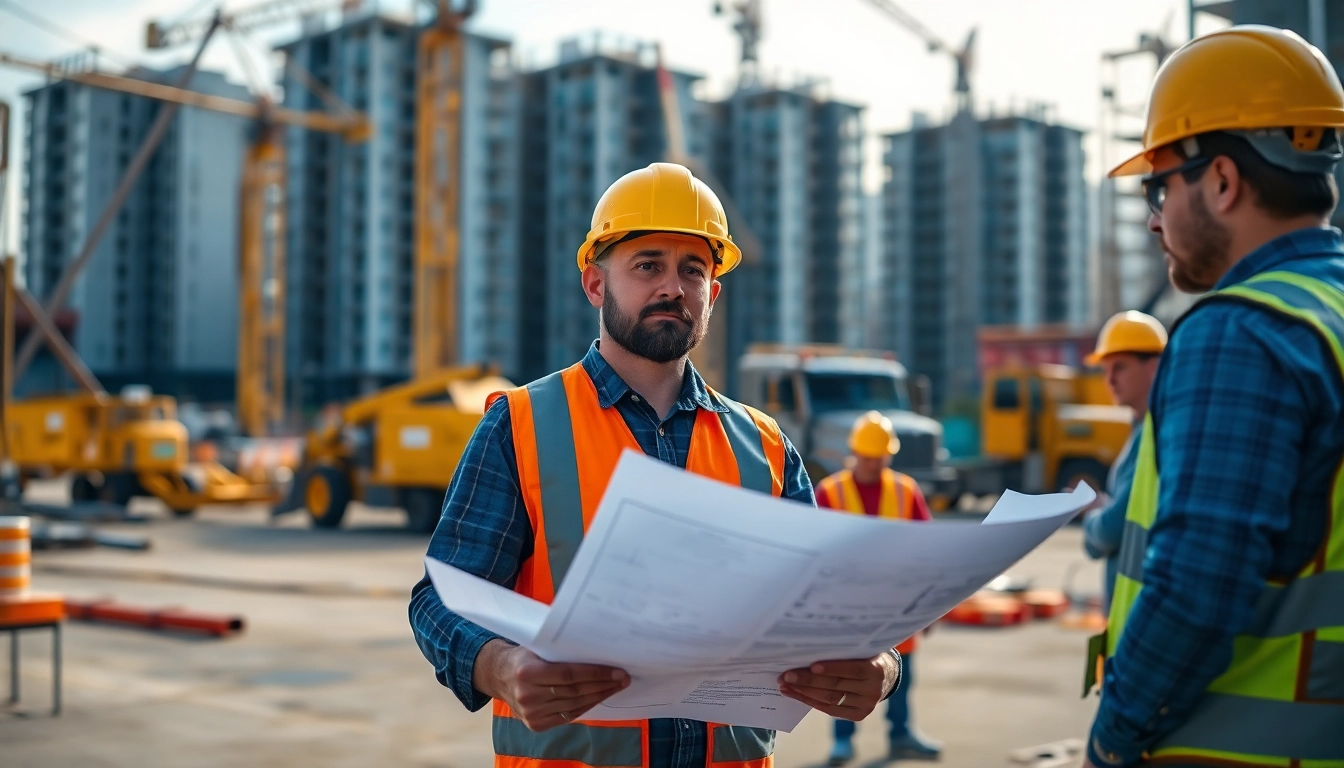

Understanding the Role of New York City Construction Manager
In the bustling and often chaotic environment of New York City, the role of the construction manager is vital for the successful execution of projects. The New York City Construction Manager oversees the building process to ensure that projects are completed on time, within budget, and to the expected quality standards. This article delves into the intricacies of this crucial role, providing comprehensive insights into its responsibilities, required skills, and daily operations.
The Core Responsibilities
The primary responsibility of a construction manager includes overseeing all phases of construction projects. This encompasses initial planning stages, budgeting, hiring subcontractors, and ensuring adherence to safety regulations. Their duties also involve:
- Project Planning: Develop comprehensive project timelines and milestones.
- Resource Management: Allocate resources efficiently, including labor, materials, and equipment.
- Quality Assurance: Monitor work quality to ensure compliance with specifications.
- Safety Oversight: Enforce safety standards on-site to protect workers and comply with regulations.
- Problem Solving: Address any issues that arise promptly, minimizing disruptions.
Essential Skills and Qualifications
To thrive in the dynamic environment of New York City construction projects, construction managers must possess a unique blend of skills and qualifications. Key competencies include:
- Project Management Expertise: Familiarity with project management methodologies, including Agile and Lean.
- Financial Acumen: Ability to create budgets and conduct financial analysis to ensure profitability.
- Technical Knowledge: Understanding of construction processes, materials, and techniques.
- Leadership Skills: Ability to lead teams, facilitate communication, and motivate workers.
- Regulatory Knowledge: Familiarity with New York City’s building codes and zoning laws.
Daily Operations and Management
The construction manager’s day-to-day responsibilities often vary based on ongoing projects, but typically include:
- Daily Briefings: Conduct morning meetings with on-site teams to discuss goals and review safety protocols.
- Site Inspections: Regularly inspect the construction site to monitor progress and compliance.
- Vendor Coordination: Liaise with suppliers to ensure timely delivery of materials and equipment.
- Stakeholder Communication: Maintain regular updates with clients, contractors, and city officials.
Navigating New York City’s Unique Construction Landscape
New York City’s construction landscape is shaped by a unique set of factors that construction managers must navigate effectively. Understanding these elements can lead to more successful project outcomes.
Regulatory Environment and Compliance
New York City has one of the most complex regulatory environments in the United States. Construction managers need to be well-versed in local laws, such as:
- The New York City Building Code: Specific codes that govern construction practices.
- Zoning Laws: Regulations about land use that can impact project feasibility.
- Health and Safety Regulations: Laws mandated by the Occupational Safety and Health Administration (OSHA) to ensure worker safety.
Staying compliant not only helps avoid legal issues but also fosters a positive working relationship with regulatory agencies.
Challenges Specific to NYC Projects
The unique urban environment of New York City presents several challenges, including:
- Space Constraints: Limited space for staging and equipment requires innovative logistical planning.
- Noise Regulations: Local laws aim to mitigate construction noise, impacting work schedules.
- Disruptions: Ongoing traffic flow and adjacent property concerns necessitate meticulous planning to minimize disruptions.
Understanding Local Building Codes
Knowledge of New York’s local building codes is crucial for a construction manager. This includes an understanding of:
- Permitting Procedures: Familiarizing yourself with the permit acquisition process for new construction and renovations.
- Inspection Protocols: Knowing what inspections are required at various project stages.
- Compliance Checklist: Maintaining a detailed checklist to ensure that all codes are adhered to throughout the construction process.
Effective Communication for New York City Construction Manager
Effective communication is a cornerstone of successful construction management. A New York City Construction Manager must be adept at conveying information clearly to various stakeholders involved in projects.
Coordination with Stakeholders
Construction managers interact with a diverse group of stakeholders, including clients, subcontractors, suppliers, and city officials. Effective stakeholder coordination involves:
- Regular Updates: Providing timely progress reports to keep stakeholders informed.
- Feedback Mechanisms: Establishing methods for stakeholders to give feedback and voice concerns.
- Meetings and Briefings: Organizing regular meetings to facilitate collaboration and problem-solving.
Managing Client Expectations
Clients often have high expectations regarding project outcomes. A manager must manage these effectively through:
- Transparent Communication: Clearly discussing project timelines, potential risks, and changes as they arise.
- Setting Realistic Goals: Helping clients set achievable project goals based on their budgets and timelines.
- Regular Progress Checks: Ensuring clients receive consistent updates on the project’s status to maintain trust.
Conflict Resolution Strategies
In any construction project, conflicts may arise. Implementing effective conflict resolution strategies is critical, including:
- Open Dialogue: Encouraging open discussions between all parties involved to resolve issues promptly.
- Mediation Techniques: Utilizing neutral third parties when necessary to facilitate discussions.
- Documentation: Keeping detailed records of conversations and agreements to refer back to if disputes occur.
Best Practices for Project Management
Embracing best practices in project management enables construction managers to deliver successful projects efficiently. The following practices can enhance project outcomes:
Budgeting and Financial Oversight
The financial aspect of construction management is crucial. Effective budgeting includes:
- Detailed Cost Estimates: Creating meticulous cost projections for all phases of construction.
- Monitoring Expenditures: Regularly comparing actual costs against budgeted amounts to identify discrepancies.
- Contingency Planning: Allocating funds for unexpected expenses to minimize financial risks.
Scheduling and Time Management
Time is often a critical factor in construction projects. Best practices for scheduling include:
- Creating a Realistic Timeline: Developing a comprehensive project timeline that accounts for all tasks and dependencies.
- Utilizing Project Management Software: Leveraging software tools to track progress and timelines effectively.
- Regular Adjustments: Adapting schedules in response to unforeseen delays while keeping all stakeholders informed.
Quality Control Measures
Ensuring quality in construction outcomes requires ongoing vigilance through:
- Regular Site Inspections: Conducting frequent quality assessments to ensure compliance with project specifications.
- Quality Assurance Protocols: Implementing robust quality control systems that engage workers at every stage.
- Feedback Loops: Gathering insights from project stakeholders to continuously improve quality standards.
Future Trends in Construction Management
The construction industry is undergoing rapid changes driven by technology and sustainability goals. Understanding these trends is key for future-focused construction managers.
Embracing Technology in NYC
Technology is reshaping how construction projects are managed. Areas of focus include:
- Building Information Modeling (BIM): Utilizing BIM for improved planning and collaboration.
- Drones and Robotics: Implementing drones for site surveying and robots for repetitive tasks to increase efficiency and safety.
- Cloud-Based Project Management: Leveraging cloud platforms for real-time collaboration and data sharing.
Sustainable Building Practices
As environmental concerns continue to grow, increasing attention is paid to sustainable practices. Key aspects include:
- Green Materials: Using environmentally friendly materials to minimize environmental impact.
- Energy Efficiency: Designing buildings that reduce energy consumption through smart technology.
- Sustainable Design Principles: Incorporating principles like passive solar design in new projects.
The Evolution of the Construction Manager Role
The role of the construction manager is evolving from a traditional oversight position to a strategic integral partner in project development. This evolution includes:
- Increased Focus on Collaboration: Working more closely with designers and stakeholders throughout the project lifecycle.
- Data-Driven Decision Making: Utilizing data analytics to guide construction management decisions.
- Adaptability to Change: Emphasizing the need for construction managers to adapt to changing technologies and project demands.
FAQs
What does a New York City Construction Manager do?
A New York City Construction Manager oversees construction projects, ensuring they are completed on time, within budget, and meet quality standards. They manage teams, resources, and compliance with local regulations.
What qualifications are needed to become a construction manager?
A construction manager typically requires a degree in construction management, engineering, or related fields, along with experience in project management, budgeting, and working knowledge of local building codes.
What are the primary challenges in NYC construction?
Challenges in NYC construction include navigating complex regulations, managing space constraints, and addressing traffic disruptions while complying with safety standards.
How do construction managers ensure project quality?
Construction managers ensure project quality through regular site inspections, implementing quality control processes, and maintaining open communication with team members to address issues promptly.
How is technology changing construction management?
Technology enhances construction management through tools like BIM for planning, drones for site monitoring, and project management software for real-time data sharing, improving efficiency and collaboration.