
Understanding the 2400 BTU Mini Split System
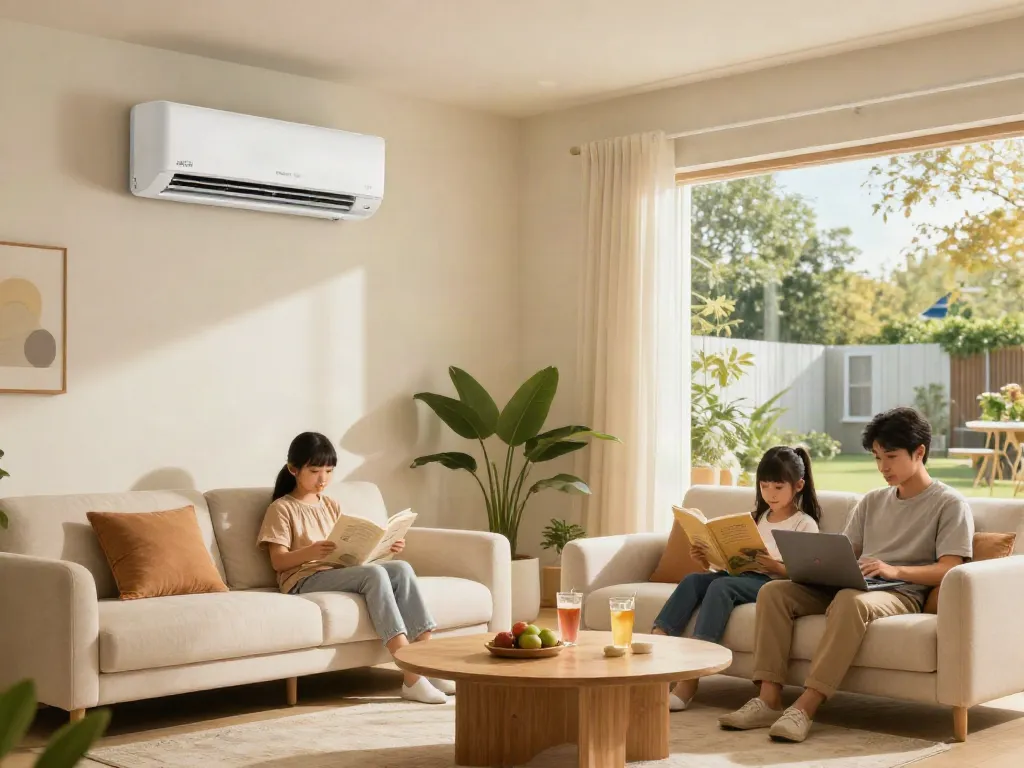
The 2400 BTU mini split system has emerged as a popular choice for those seeking efficient climate control solutions for their homes and workplaces. These units are designed to deliver both heating and cooling capabilities, making them an all-in-one solution for various indoor environments. With their ability to operate quietly and efficiently, mini splits provide an optimal option for individuals looking to maintain comfortable indoor temperatures without the bulkiness of traditional HVAC systems. When exploring options, 2400 btu mini split systems offer comprehensive insights into modern air conditioning technology.
What is a Mini Split System?
A mini split system consists of two main components: an indoor air handling unit and an outdoor condenser. These systems are ductless, which means they do not require the extensive ductwork associated with conventional systems. Instead, they use small refrigerant lines to connect the indoor and outdoor units, making installation more flexible and less invasive. Mini splits come in various capacities, with the 2400 BTU variant being well-suited for medium to large spaces, typically cooling or heating areas up to 1,000 square feet effectively.
Benefits of a 2400 BTU Mini Split
- Energy Efficiency: Mini split systems often feature advanced inverter technology that allows them to modulate their power based on the thermal load in the space, leading to significant energy savings.
- Flexibility: The ductless design provides more options for installation, enabling homeowners to place units where they are most needed without the constraints of ductwork.
- Quiet Operation: Many mini split units operate at lower sound levels compared to traditional HVAC systems, ensuring a peaceful environment.
- Heating and Cooling: The 2400 BTU mini split can serve dual purposes, providing both heating in winter and cooling in summer, which enhances its overall value.
How Mini Splits Compare to Traditional HVAC Systems
When comparing mini splits with traditional central HVAC systems, several factors come into play. Central systems typically involve extensive ductwork, which can lead to energy loss through leaks and inefficiencies. In contrast, mini splits are more efficient because they deliver conditioned air directly into the living space, eliminating duct-related energy loss. Additionally, mini splits allow for zoned heating and cooling, enabling different areas of a home to be set at varying temperatures, providing greater comfort and customization.
Choosing the Right 2400 BTU Mini Split for Your Home
Choosing the right mini split system involves understanding your specific needs and evaluating various options available in the market. Consider the size of the space you intend to cool or heat, as well as your energy efficiency goals. With a myriad of products on the market, each boasting different features, it’s essential to find one that aligns with your requirements and budget.
Key Features to Consider
- SEER Rating: The Seasonal Energy Efficiency Ratio (SEER) indicates the cooling efficiency of the unit. A higher SEER rating means better energy efficiency, leading to lower utility bills.
- Heating Capacity: Ensure the mini split can provide sufficient heating capacity during colder months, especially in regions with extreme climates.
- Smart Technology: Many modern units offer Wi-Fi connectivity, allowing you to control the climate remotely through smartphone apps, providing convenience and energy management.
- Filtration System: Look for units with effective filtration systems that enhance indoor air quality by reducing allergens and pollutants.
Size and Capacity: Finding the Perfect Fit
Proper sizing is crucial for the effectiveness of your mini split system. A 2400 BTU unit typically covers areas of approximately 1,000 square feet. However, various factors such as ceiling height, the number of windows, and the local climate should also be considered. An oversized unit can lead to short cycling, while an undersized unit may struggle to maintain the desired temperature.
Energy Efficiency Ratings Explained
Energy efficiency ratings, such as SEER and HSPF (Heating Seasonal Performance Factor), are critical indicators of how efficiently a mini split system operates. Understanding these ratings will help you make informed decisions regarding energy consumption and cost savings in the long run. Higher ratings often correlate with higher initial costs, but they can lead to significant savings on energy bills, which should be factored into your purchase decision.
Installation Best Practices for Mini Split Systems
Installing a mini split system requires careful planning and execution to ensure optimal performance and longevity. The decision between DIY installation and hiring a professional can greatly influence the efficiency of your installation.
DIY vs. Professional Installation: Pros and Cons
While DIY installation can save money, it requires a certain level of technical knowledge and tools. Missteps during installation can lead to inefficiencies and void warranties. On the other hand, hiring a professional guarantees that the unit is installed correctly, yet it does come with additional costs. Weigh the benefits of potential savings against the assurance of professional installation when making your decision.
Essential Tools for Installation
- Drill and drill bits
- Pipe wrenches
- Refrigerant gauge set
- Level
- Measuring tape
- Vacuum pump
Common Installation Mistakes to Avoid
Avoid common pitfalls such as improper refrigerant charging, incorrect mounting height for the indoor unit, and inadequate insulation of refrigerant lines. Ensuring that the outdoor unit has ample airflow and is not obstructed is also crucial for performance. Properly reading the installation manual and possibly consulting with professionals can help mitigate these errors.
Maintaining Your 2400 BTU Mini Split System
Regular maintenance is essential to keep your mini split functioning optimally and to extend its lifespan. Adhering to a routine maintenance checklist can prevent costly repairs down the line.
Routine Maintenance Checklist
- Clean or replace air filters monthly to ensure proper airflow.
- Inspect and clean the condenser and evaporator coils at least once a year.
- Check for any signs of refrigerant leaks and ensure proper charge levels.
- Ensure that outdoor units are free from debris and foliage.
- Schedule annual professional servicing to check for any potential issues.
Signs Your System Needs Repairs
Be vigilant for signs of potential issues such as unusual noises, inconsistent temperatures, or increased energy bills. If you notice leaking refrigerant or foul odors, these can be indications that your mini split requires immediate attention.
Extending the Lifespan of Your Mini Split
By maintaining your mini split system properly and addressing issues promptly, you can help ensure its longevity. Regular servicing and cleaning will significantly reduce wear and tear, allowing your system to function efficiently for many years.
Future Trends in HVAC Technology for 2026 and Beyond
The HVAC industry is on the brink of significant advancements, especially concerning energy efficiency and smart home integration. As these technologies evolve, consumers are likely to see even more efficient systems available for their homes.
Innovations in Energy Efficiency
Expect to see further developments in inverter technology and refrigerants that have lower environmental impacts. These innovations will lead to systems that not only consume less energy but also contribute to lowering carbon footprints.
Smart Home Integration: Control Your Climate Remotely
With the rise of smart technology, many future mini split systems will offer features such as remote control via smartphone apps and integration with home automation systems. This capability allows homeowners to manage their heating and cooling needs more efficiently, adapting to their lifestyles and preferences seamlessly.
Environmental Impact and Sustainability in HVAC Solutions
As awareness of climate change increases, there will be a greater focus on sustainability within the HVAC sector. This will include more eco-friendly refrigerants, energy-efficient designs, and the development of products that prioritize environmental responsibility. The future of mini splits will likely align with these sustainability goals, catering to consumers who are conscious of their carbon footprints.
What areas can a 2400 BTU mini split effectively cool?
A 2400 BTU mini split system is ideally suited for spaces up to 1,000 square feet, including living rooms, bedrooms, or even small office environments. Factors like ceiling height and insulation quality will affect its cooling capacity, so it's essential to assess these elements when determining if the unit is suitable for your space.
How does the efficiency of a 2400 BTU mini split compare to central air systems?
Mini split systems generally offer higher energy efficiency than traditional central air systems due to their ductless operation, leading to less energy loss. Additionally, they can provide zoned heating and cooling, which central systems often cannot achieve without complex modifications.
What are the installation costs associated with a 2400 BTU mini split?
The installation costs can vary widely based on factors such as the complexity of the installation, the region you're in, and whether you choose to DIY or hire a professional. On average, installation can range from $1,000 to $2,500, including the cost of the unit itself.
What maintenance is required for a 2400 BTU mini split unit?
Regular maintenance includes cleaning or replacing filters monthly, checking for refrigerant leaks, cleaning the coils, and ensuring proper drainage. Annual professional maintenance is also recommended to keep the system operating efficiently.
Are there notable brands for high-quality 2400 BTU mini splits?
Several reputable brands specialize in mini split systems, including Daikin, Mitsubishi, and LG. Each of these manufacturers offers various models that feature distinct advantages, such as higher efficiency ratings or advanced smart technology.