
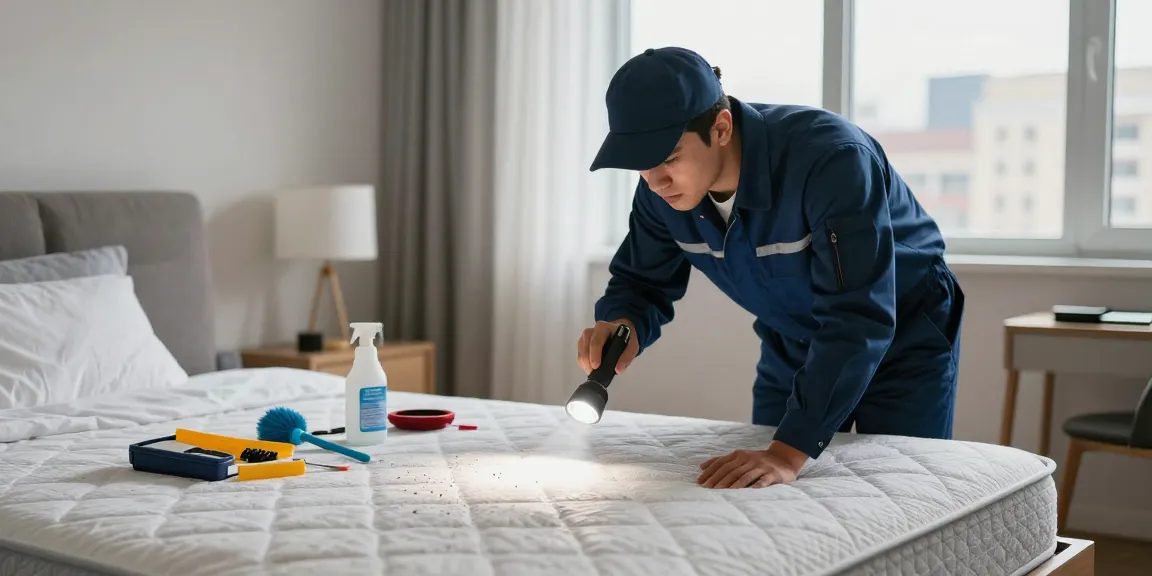
Understanding Bed Bugs and Their Behavior
Bed bugs are small, elusive pests that have become a significant concern for homeowners and business operators alike. These nocturnal insects are known for their blood-feeding habits and ability to reproduce rapidly, making them a formidable challenge to eliminate. Understanding their behavior, life cycle, and signs of infestation is crucial for effective bed bug pest control.
Life Cycle and Reproduction of Bed Bugs
The life cycle of bed bugs consists of five immature stages, or nymphs, before reaching adulthood. Under ideal conditions, a female bed bug can lay up to seven eggs a week, resulting in over 500 eggs during her lifetime. The eggs are tiny, about the size of a pinhead, and are often hidden in cracks and crevices. Nymphs emerge after about seven to ten days, requiring a blood meal to grow into the next stage. This rapid reproduction is why bed bug infestations can escalate quickly and require prompt action.
Common Signs of Infestation
Being able to identify the signs of a bed bug infestation is essential for early intervention. Common indicators include:
- Itchy, red welts on the skin, often in a line or cluster
- Small bloodstains on bedding or furniture
- Dark spots (excrement) on sheets, walls, or furniture
- Presence of shed skins or eggs in hiding spots
Behavior Patterns and Hiding Spots
Bed bugs are expert hitchhikers and can travel via luggage, clothing, and used furniture. They tend to hide during the day in dark, secluded areas such as mattress seams, bed frames, and even behind wallpaper. An adult bed bug is about the size of an apple seed, making it visible to the naked eye, yet adept at avoiding detection. They typically thrive within an 8-foot radius of where people sleep, following their food source and adapting to their host’s sleeping patterns.
Effective Bed Bug Pest Control Methods
Addressing a bed bug infestation requires a comprehensive approach that includes both immediate treatment and long-term prevention strategies. Depending on the severity of the infestation, different methods can be employed.
Heat Treatments vs. Chemical Treatments
Heat treatment is an eco-friendly and effective method for eliminating bed bugs. It works by raising the temperature of infested areas above 120°F (49°C), ensuring that all life stages, including eggs, are eradicated. This method can provide quick results but often requires professional equipment. On the other hand, chemical treatments involve the use of insecticides that create a residual barrier lasting up to 120 days. While effective, they usually take longer to notice results and may require more preparation from the homeowner.
DIY Strategies for Homeowners
For minor infestations, homeowners may consider DIY strategies. Vacuuming regularly, washing bedding in hot water, and sealing cracks can help control the spread. However, relying solely on DIY methods is often insufficient for established infestations. It is important to understand the limitations and seek professional help when necessary.
Professional Pest Control Solutions
Trusting a professional pest control service can ensure comprehensive treatment and prevention. Experts can conduct thorough inspections, utilize advanced techniques such as K9 detection, and tailor solutions to the unique needs of each space. Investing in professional services often provides the best value, ensuring a swift eradication of bed bugs and peace of mind.
Preparing Your Home for Bed Bug Treatment
Before treatment, it’s essential to prepare your home properly to enhance effectiveness and minimize disruption. This includes decluttering, removing items from floors, and washing bedding where applicable.
Steps to Take Before Treatment
Prior to treatment, homeowners should take the following steps:
- Clear clutter in affected rooms to allow access to pest control technicians
- Strip bedding and launder it in hot water
- Vacuum thoroughly to remove visible pests and eggs
- Communicate openly with your pest control provider about any specific concerns
Understanding Limited-Prep Options
For those with busy schedules, limited-prep options are available, which require fewer preparations from the homeowner. While this method costs slightly more, it provides convenience and ensures that treatment can occur without extensive disruption to your routine.
What to Expect During the Treatment Process
During bed bug treatment, expect the pest control team to assess the area, identify all hiding spots, and apply the selected treatment method. It’s common for technicians to provide recommendations for ongoing monitoring and preventative measures post-treatment.
Long-Term Prevention Strategies
Preventing a bed bug infestation requires vigilance and proactive measures. Educating yourself about bed bugs and implementing ongoing strategies can help protect your home.
Routine Inspections and Monitoring
Conducting regular inspections in your home, especially in areas where bed bugs are known to hide, can help catch potential infestations early. Consider using monitoring devices that alert you to bed bug activity.
Best Practices for Avoiding Reinfestation
To avoid reinfestation, practice the following best strategies:
- Inspect any second-hand furniture or clothing before bringing it home
- Be cautious during travel; inspect hotel beds and luggage regularly
- Seal cracks and crevices in walls and floors to eliminate hiding spots
Utilizing Technology in Pest Control
Emerging technologies such as heat detection and electronic monitoring systems can enhance your bed bug prevention strategy. Stay informed about innovative products that provide effective solutions in combating these persistent pests.
Frequently Asked Questions about Bed Bug Control
Understanding common questions and misconceptions about bed bugs can empower you to take appropriate action.
What are the most effective treatments for bed bugs?
The effectiveness of treatment varies based on the severity of the infestation and the methods used. Heat treatments and chemical pesticides are both proven effective when applied correctly.
Can I handle a bed bug infestation myself?
While some minor infestations can be managed DIY, most require professional intervention for complete removal.
How do I know if I have bed bugs?
Look for common signs such as bites, bloodstains, and shells. If you suspect an infestation without visible signs, consider a K9 inspection.
Is heat treatment safe for my furniture?
Heat treatment is generally safe for most household items, but certain materials may require special consideration. Discuss any concerns with your pest control provider before treatment.
How much does professional bed bug pest control cost?
Costs can vary widely based on the severity of the infestation and the required treatment methods. It’s advisable to get estimates from multiple pest control providers to understand the range and what services are included.