
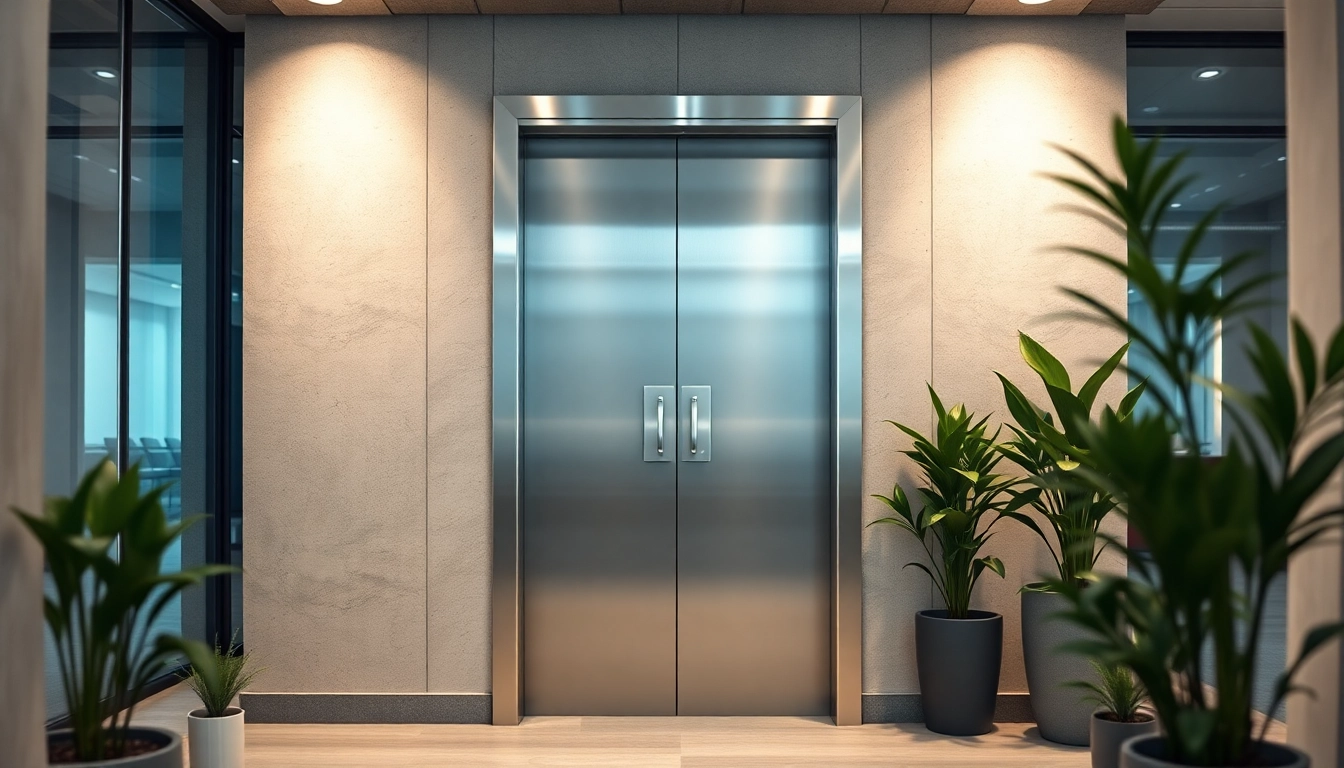
Understanding the Importance of an Exit Door
Why Every Building Needs a Proper Exit Door
In a world where safety is paramount, every building—be it residential, commercial, or industrial—requires a well-designed and correctly installed exit door. An exit door serves as a critical gateway during emergencies, allowing for prompt evacuation and minimizing risks associated with panic and chaos. On average, countless incidents throughout history have underscored the necessity of having reliable exit doors, particularly in situations like fires, natural disasters, or security breaches. Thus, understanding their significance goes beyond compliance; it directly relates to the safety and well-being of occupants.
The Role of Exit Doors in Safety Regulations
Exit doors do not just fulfill aesthetic roles; they are entrenched in safety regulations and building codes across various regions. These codes dictate specifications such as the minimum width for commercial properties, the installation of panic bars, and requirements for clear signage. For instance, in many jurisdictions, exit doors must open outward to allow for quick evacuation during peak occupancy. The importance of adhering to these regulations is critical, as non-compliance can lead to legal repercussions and jeopardize safety. Becoming familiar with local building codes and working with licensed professionals can guide property owners in making informed decisions about their exit doors.
How Exit Doors Enhance Accessibility
Accessibility considerations play a crucial role in the design and implementation of exit doors. Regulations such as the Americans with Disabilities Act (ADA) outline specific requirements to ensure that exit doors are usable by all individuals, including those with disabilities. Features such as automatic openers, wider door frames, and low-threshold designs not only adhere to these guidelines but also enhance usability. Properly designed exit doors can ensure that everyone, regardless of mobility challenges, has an equal opportunity to exit safely in case of emergencies.
Types of Exit Doors Available
Common Materials Used for Exit Doors
When it comes to selecting an exit door, the material can significantly affect both durability and performance. Notable materials include:
- Steel: Known for its unparalleled strength and security, steel exit doors are fire-resistant and require minimal maintenance. They are ideal for commercial and industrial applications.
- Fiberglass: This material offers excellent insulation qualities, making fiberglass doors a popular choice for exterior applications. They also resist dents and scratches, sustaining their appearance over time.
- Wood: Though less common in high-security environments, wood exit doors provide a classic aesthetic appeal. They offer insulation and soundproofing but may require more maintenance to withstand external elements.
Different Styles of Exit Doors
Exit doors come in various styles and configurations, each suited for different environments:
- Single Exit Doors: Ideal for smaller spaces or less trafficked areas, these doors provide straightforward egress solutions.
- Double Exit Doors: Commonly found in large commercial buildings, this style accommodates higher foot traffic, allowing for simultaneous exits.
- Sliding Exit Doors: These are often found in retail environments where a seamless flow of movement is essential. They can enhance accessibility but need precise installation to meet safety standards.
- Revolving Exit Doors: Though not typical for emergency exits, they are often used in high-traffic areas, allowing for continuous flow while controlling climate and entry.
Choosing the Right Exit Door for Your Property
Choosing the ideal exit door involves more than aesthetics; it requires consideration of building use, traffic patterns, and compliance with safety regulations. Thoroughly evaluating your property can lead to informed choices. For instance, a high-traffic area may benefit from double exit doors for quick egress, whereas a library might be better served by a single door with soundproof properties. Consulting professionals who understand both safety standards and design can provide valuable insights on the right solution for your property.
Installation and Maintenance of Exit Doors
Steps for Proper Exit Door Installation
Proper installation of exit doors is fundamental to ensuring safety and functionality. Here’s a step-by-step guide:
- Prepare the Opening: Ensure that the door frame is level and plumb before installing the door.
- Install Hinges: It’s critical to properly position and secure the hinges to allow smooth functioning and adequate support.
- Hang the Door: Align the door with the hinges and secure it, making adjustments as necessary to ensure proper fit.
- Install Hardware: Add locks, panic bars, and other necessary components according to the manufacturer’s instructions and compliance codes.
- Final Checks: Test the door to ensure it opens easily without obstruction and meets all local safety requirements.
Regular Maintenance Tips for Longevity
Maintaining your exit door is essential for ensuring safety and prolonging its lifespan. Here are some actionable maintenance tips:
- Inspect the door frame and sealant regularly to maintain integrity against environmental effects.
- Lubricate hinges and locks periodically to ensure smooth operation.
- Check weather stripping and seals to ensure they remain intact, replacing them if they show signs of wear.
- Perform routine visual inspections to identify any damage or malfunctions ahead of time.
Common Issues and Solutions with Exit Doors
Inevitably, exit doors may face issues that hinder their performance. Here are common problems and effective solutions:
- Door Doesn’t Close Properly: Adjust hinges or tighten screws to realign the door within the frame.
- Rust and Corrosion: For metal doors, regularly paint or coat surfaces to prevent deterioration.
- Panic Bar Malfunctions: Ensure that the panic bar mechanism is routinely inspected and free of obstructions.
- Weather Seal Breakdown: Replace damaged seals immediately to maintain energy efficiency and protection against the elements.
Design Considerations for Exit Doors
Integrating Aesthetic Appeal and Functionality
Exit doors can significantly influence a building’s overall design, contributing both aesthetic value and functional utility. Striking the right balance between style and safety is vital. For instance, glass exit doors can enhance visual appeal and natural light but must be tempered for safety and compliance. Collaborating with architects allows for creative solutions that ensure both form and function work harmoniously together.
Color and Finish Options for Exit Doors
The finishing touches of an exit door can enhance the character of a property. While traditional colors like white or gray may suit classic structures, vibrant hues can create a striking visual focal point. Additionally, textured finishes can hide scratches and wear while providing a more sophisticated look. Property managers should consider their brand or image when selecting colors and finishes to create a cohesive appearance.
How to Ensure Compliance with Design Codes
To avoid potential legal implications, ensuring that exit door designs adhere to relevant codes is essential. Familiarity with local building codes and fire safety regulations is a must. Engaging professionals who specialize in code compliance can facilitate this process, alongside conducting regular reviews to adapt to changing regulations. Furthermore, keeping abreast of updates in safety notices and standards ensures an uninterrupted commitment to building occupant safety.
FAQs about Exit Doors
What is the main function of an exit door?
The primary function of an exit door is to provide a safe and efficient means of egress during emergencies, ensuring quick evacuation and minimizing risks.
What materials are best for exit doors?
Steel and fiberglass are typically preferred for their durability and security features, while wood may be chosen for its aesthetic appeal in less demanding situations.
How do I ensure my exit door is compliant?
Consult local building codes to ensure your exit door meets safety regulations regarding size, hardware, and installation requirements.
Can I customize my exit door?
Yes, many manufacturers provide customization possibilities for colors, finishes, and styles, allowing you to match your preferences and building aesthetics.
What maintenance does an exit door require?
Regular inspections, lubrication of hinges, and ensuring that seals and frames remain intact are essential for the longevity of an exit door.