Understanding Custom Acrylic Pins
Custom acrylic pins are quickly becoming a staple in the world of personalized accessories. These unique items not only serve as stylish embellishments for bags and clothing but also as impactful marketing tools for brands and artists. With the growing demand for distinct and personalized items, exploring the benefits and applications of acrylic pins is essential for those looking to leave a memorable impression.
What Are Acrylic Pins and Their Benefits?
Acrylic pins are custom-made badges crafted from eco-friendly transparent acrylic materials. They are lightweight, versatile, and can be designed in a wide array of shapes and colors, making them perfect for various occasions. One key benefit of acrylic pins is their ability to replicate intricate designs and vibrant colors without the constraints typically found in traditional enamel pins. Additionally, their low production costs and minimum order quantities make them accessible for both small businesses and individual creators.
Comparison: Acrylic Pins vs. Enamel Pins
When comparing acrylic pins to enamel pins, it’s important to understand their distinct features. Acrylic pins are generally lighter and may offer more flexibility in design compared to enamel pins, which are robust and often have a glossy finish that exudes a classic charm. While enamel pins can be prone to chipping, acrylic pins remain durable, especially with protective coatings. These differences significantly influence their application in branding and personal expression.
Applications and Uses of Acrylic Pins
- Promotional Merchandise: Brands leverage custom acrylic pins as promotional items that can enhance visibility and recognition.
- Artistic Expression: Artists and designers utilize acrylic pins as a canvas for their creativity, allowing fans to wear their art.
- Event Memorabilia: Customized pins serve as fantastic souvenirs for events, enhancing the experience for attendees.
- Fundraising: Nonprofits often use acrylic pins as fundraising items, creating a connection with supporters.
Designing Your Acrylic Pins
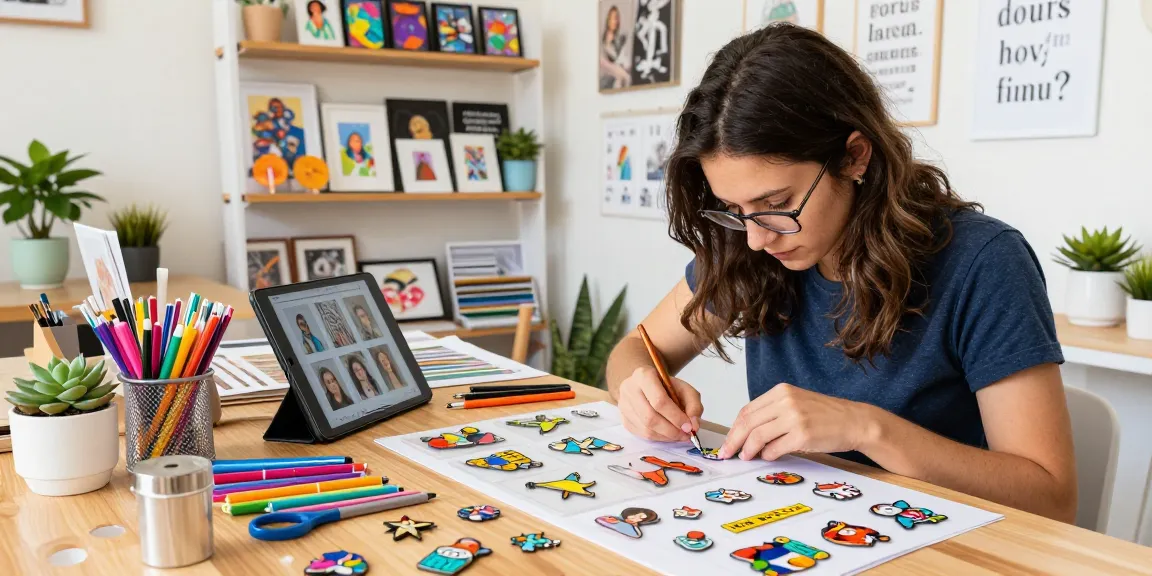
The design process is a crucial aspect of creating standout acrylic pins. Whether you’re a business owner looking to promote your brand or an artist wanting to showcase your latest work, understanding essential design elements is key to achieving successful results.
Essential Design Elements for Acrylic Pins
When designing acrylic pins, consider factors such as size, color, and the complexity of the design. It’s advisable to use bold colors and clear imagery that can easily be identified from a distance. This ensures that your pins are not only stylish but also functional as branding tools. Additionally, incorporating your logo or brand name can further enhance recognition.
Best Practices for File Preparation
To ensure high-quality production, adhere to the following file preparation best practices:
- Use high-resolution images (at least 300 DPI).
- Submit designs in CMYK color mode to ensure accurate color reproduction.
- Use transparent backgrounds where applicable for a polished look.
- Consider providing design files in multiple formats, such as PSD or PNG, for greater flexibility.
Common Design Mistakes to Avoid
Designing acrylic pins can be a fun process, but certain common pitfalls can affect the final product’s quality:
- Overly Complex Designs: Aim for simplicity; intricate details may not translate well on a small scale.
- Inadequate Spacing: Ensure that text and imagery are well spaced to avoid clutter.
- Ignoring Production Guidelines: Each manufacturer has unique requirements; neglecting them can result in production delays.
Production Process Overview
Understanding the production process behind acrylic pins is essential for ensuring quality outcomes. From design to final delivery, every stage plays a vital role in achieving your desired product.
Step-by-Step Production of Acrylic Pins
The production of acrylic pins involves several steps:
- Design Approval: Once you submit your design files, they will be reviewed, and any necessary adjustments will be communicated.
- Production Setup: After design approval, the pins are set up for production, including creating cutting templates.
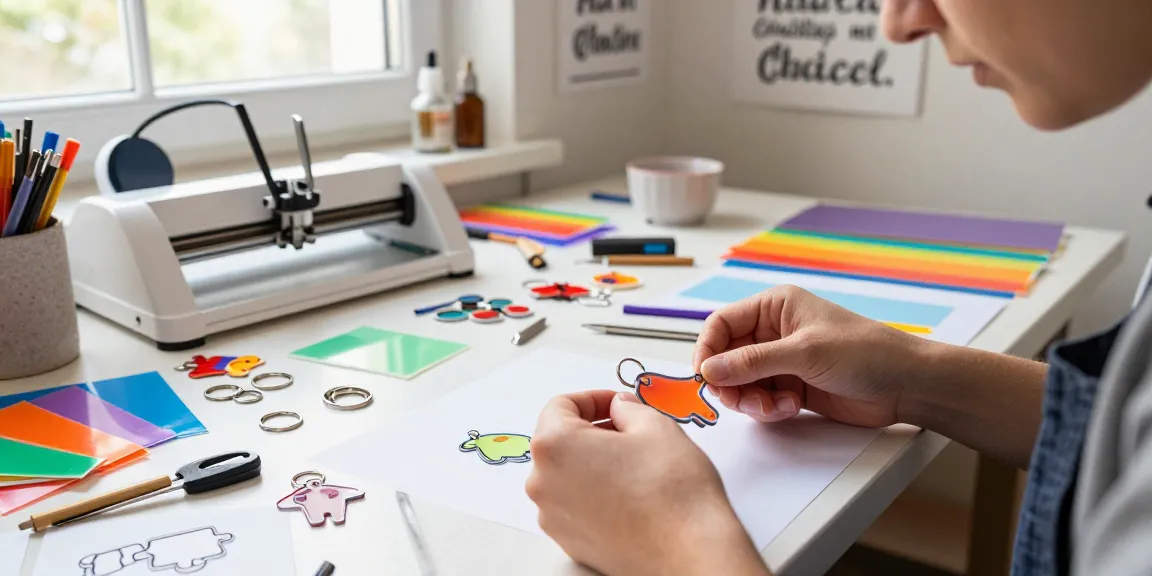
- Manufacturing: Acrylic sheets are cut and printed according to your design specifications.
- Finishing Touches: Quality checks are performed, and any additional processes, such as epoxy coating, are applied.
- Packaging: Finally, the pins are carefully packaged and shipped to the customer.
Choosing the Right Materials and Techniques
Selecting the right materials is crucial for achieving high-quality acrylic pins. Eco-friendly acrylic is a popular choice, reflecting a commitment to sustainable practices. Depending on the desired finish, techniques like single board with front-side epoxy or double-board designs can be utilized to enhance the end product’s quality and appeal.
Quality Control Measures in Production
Quality control is an integral part of the production process. Manufacturers typically implement rigorous checks at various stages to ensure that every pin meets set standards. This includes verifying color accuracy, checking the clarity of designs, and examining for any defects before the final product is shipped.
Marketing Your Custom Acrylic Pins
Effective marketing can elevate the appeal and sales of your acrylic pins. By understanding your target audience and employing strategic marketing tactics, you can maximize your reach and impact.
Effective Branding Strategies for Acrylic Pins
Branding is essential when marketing custom acrylic pins. Developing a cohesive look and feel can help establish your brand. Utilize packaging, promotional materials, and your online presence to create a uniform brand message that resonates with your audience.
Utilizing Social Media for Promotion
Social media platforms like Instagram and Pinterest are effective channels for promoting acrylic pins. Sharing high-quality images, behind-the-scenes content, and engaging stories can help build a following and generate interest in your products. Encourage customer interaction by creating posts that invite users to share their experiences with your pins.
Building Customer Relationships and Loyalty
Establishing strong relationships with your customers is vital for long-term success. Utilize email marketing strategies to keep customers informed about new designs, promotions, and events. Engaging directly with customers through feedback channels can also enhance loyalty and trust.
Future Trends in the Acrylic Pin Industry
As we move into 2026, several trends are shaping the future of acrylic pins. Understanding these trends can provide valuable insights for businesses and creators alike.
Emerging Design Trends for 2026
In the coming years, expect to see a push towards more sustainable and eco-friendly designs. Brands will likely focus on environmental impact, opting for recycled materials and eco-conscious production methods. Additionally, personalized and interactive designs are becoming popular, allowing consumers to have a hand in the creation process.
Technological Innovations in Production
The advancement of technology will continue to enhance the acrylic pin manufacturing process. Innovations such as improved digital printing techniques and automated cutting tools are likely to increase production efficiency while reducing costs. This technological evolution allows for greater customization options and quicker turnaround times.
Market Insights and Predictions
Market analysis suggests that the demand for custom acrylic pins will remain strong, driven by trends in personalization and self-expression. Brands that capitalize on these trends by offering unique, customizable options are poised to thrive in this competitive landscape.
What are acrylic pins made from?
Acrylic pins are primarily made from eco-friendly transparent acrylic materials, which provide a lightweight and durable option for custom designs.
How are acrylic pins different from traditional pins?
Acrylic pins differ from traditional pins, particularly enamel pins, in materials and design flexibility. Acrylic pins allow for more intricate designs and color variations, while enamel pins are more robust.
Can I customize my acrylic pins?
Absolutely! Customization options for acrylic pins include shape, size, design, and additional finishes such as epoxy coatings, allowing for a truly personalized product.
What is the best way to market acrylic pins?
The best approach involves effective branding, utilizing social media for broader reach, and engaging directly with customers to build loyalty and community.
What trends should I look for in 2026?
Look for trends that focus on sustainability, personalization, and advanced production technologies, which will dominate the acrylic pin market in the coming years.