
The Role of Peptides in Skincare
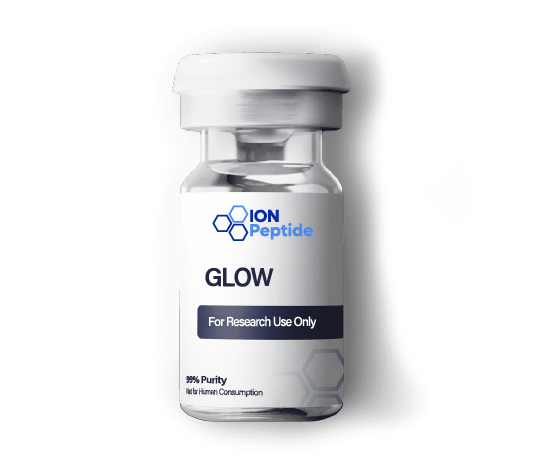
In the ever-evolving world of skincare, peptides have emerged as a powerhouse ingredient, valued for their ability to enhance skin health and appearance. Understanding how these short chains of amino acids function can significantly benefit your skincare regimen. For those exploring peptide options, products like GLOW offer innovative solutions that harness the properties of peptides effectively.
What Are Peptides?
Peptides are essentially short chains of amino acids that serve as the building blocks of proteins. In skincare, they play various roles like signaling skin cells, improving barrier function, and enhancing cellular communication. When applied topically, peptides can penetrate the skin and interact with the dermal layers, triggering responses that promote skin repair and regeneration.
How Peptides Work in the Skin
The mechanism by which peptides operate primarily involves stimulation of certain processes within the skin. For example, they can encourage collagen synthesis, leading to improved firmness and elasticity. Peptides also help to reduce inflammation, which is crucial in preventing and treating various skin conditions. By acting as messengers, they can influence cellular behavior, signaling repair processes in response to damage.
Common Types of Peptides Used in Products
Peptides in skincare can be categorized into various types, each offering unique benefits:
- Signal Peptides: These promote collagen production and help in wound healing.
- Carrier Peptides: These transport essential trace elements to the skin, supporting healing and elasticity.
- Enzyme Inhibitor Peptides: These help to reduce melanin production, improving skin tone and reducing discoloration.
- Neuropeptides: These can reduce the appearance of fine lines and wrinkles by signaling the skin to relax.
Benefits of Using Peptide-Based Products
Anti-Aging Properties
One of the most sought-after benefits of peptide-based skincare is their anti-aging properties. Peptides can enhance collagen and elastin production, vital proteins that maintain skin structure. Increased collagen can lead to firmer, plumper skin, while improved elastin helps the skin regain its shape after stretching. These factors can significantly diminish the appearance of fine lines and wrinkles, contributing to a more youthful appearance.
Improving Skin Texture and Tone
Peptides not only target aging signs but also play an essential role in enhancing overall skin texture and tone. They promote cell turnover, which aids in refining skin texture, making it look smoother and more even. This rapid cell renewal encourages the elimination of dead skin cells and supports a healthier complexion. The result is rejuvenated skin that is not only vibrant but also has a more homogeneous tone.
Boosting Hydration Levels
Many peptide formulations include hydrating properties, which can help improve skin moisture levels. This is essential, especially for aging skin, which tends to lose its ability to retain moisture. Peptides can bolster the skin’s barrier function, ensuring that hydration stays locked in. As a result, users often experience softer, more supple skin that appears plump and well-hydrated.
Choosing the Right Peptide Formulations
Identifying Your Skin Needs
Before selecting a peptide-infused product, it is crucial to assess your specific skin needs. Consider factors such as your skin type (oily, dry, combination), age, and any skin concerns you may have (such as acne, pigmentation, or sensitivity). For example, if you’re targeting fine lines associated with aging, look for products rich in signal peptides. If you struggle with uneven skin tone, formulations with enzyme inhibitor peptides could be beneficial.
Key Ingredients to Look For
When choosing peptide products, it is also important to look for synergistic ingredients that enhance their effectiveness. This may include:
- Hyaluronic Acid: Known for its hydrating properties, it works well with peptides to maintain skin moisture.
- Antioxidants: Ingredients such as vitamin C can support peptide functions and combat oxidative stress.
- Niacinamide: This versatile ingredient can complement peptides by improving overall skin texture and barrier function.
Deciphering Product Labels
Understanding product labels can be daunting, but it is essential for making informed choices. Look for the concentration of peptides listed in the ingredient list; the higher they appear, the more likely the product will be effective. Moreover, consider reading the product’s key claims and studies supporting its efficacy to gauge whether it aligns with your skincare goals.
Best Practices for Incorporating Peptides
Layering with Other Skincare Ingredients
Integrating peptides into your skincare routine can be highly beneficial, but it’s crucial to layer them properly. Apply lightweight serums with peptides before heavier creams to ensure maximum absorption. Pairing peptides with complementary ingredients like antioxidants or hydrators can enhance their efficacy. For instance, using a peptide serum followed by a moisturizer containing hyaluronic acid could optimize hydration and anti-aging effects.
Application Techniques for Maximum Absorption
Proper application techniques can significantly affect the effectiveness of peptide products. Here are some tips to ensure maximum absorption:
- Apply to clean, damp skin to enhance penetration.
- Use gentle tapping motions with your fingertips to stimulate circulation.
- Follow up with a moisturizer to seal in the peptides and hydrate the skin.
Recommended Usage Frequency
Generally, peptide products can be used daily; however, it is advisable to start slowly. For best results, incorporate them into your routine consistently, and adjust the frequency based on how your skin responds. Over time, you might increase the frequency, particularly if you are using peptides that target specific concerns like aging or texture.
Frequently Asked Questions
What Results Can I Expect from Peptide Products?
Users often notice improved skin elasticity, reduced fine lines, and enhanced hydration over consistent use, generally within 4 to 8 weeks.
Are Peptides Safe for All Skin Types?
Peptides are generally well-tolerated across various skin types, but patch testing is recommended for those with sensitive skin to avoid reactions.
How Long Before I See Results?
While individual results may vary, many notice visible improvements in skin texture and firmness within 4 to 8 weeks of regular use.
Can I Use Peptides with Other Active Ingredients?
Yes, peptides can synergize with several other active ingredients like hyaluronic acid and niacinamide, creating a more potent skincare formulation. Consulting with a skincare professional can provide personalized advice.
Are Peptides Natural?
Peptides can be derived from both natural and synthetic sources. While many products utilize natural peptides, synthetic options are often designed for higher efficacy based on specific skin concerns.