
Understanding EcoFlow Technology
What is EcoFlow?
EcoFlow is a leading innovator in portable power solutions, specializing in advanced battery technology. The company designs and manufactures portable power stations, solar generators, and accessories that cater to a variety of energy needs from outdoor adventures to emergency backup for homes. By utilizing cutting-edge lithium-ion technology, EcoFlow aims to provide reliable and efficient power in a compact form, allowing users to stay powered up wherever they are. One of the significant advantages of EcoFlow products is their versatility, which is ideal for outdoor enthusiasts, tech-savvy users, and anyone in need of reliable electricity on the go. To explore their range further, visit EcoFlow.
Key Features of EcoFlow
- Fast Charging: EcoFlow devices offer rapid fuel-up capabilities, achieving full charge in under two hours through integrated AC, solar, or car charging options.
- High Capacity: With options ranging from 374Wh to over 3,600Wh, EcoFlow power stations are designed to accommodate various energy consumption needs.
- Multiple Ports and Outputs: Each unit comes with a multitude of USB, AC, and DC outputs, allowing users to charge multiple devices simultaneously.
- App Control: Many EcoFlow models can be monitored and controlled through a smartphone app, offering convenience and real-time status updates.
- Solar Compatibility: EcoFlow products can be easily paired with solar panels, promoting sustainable energy use by harnessing solar power, which is especially eco-friendly.
Benefits of Using EcoFlow
The primary benefits of using EcoFlow products stem from their efficiency, portability, and sustainability:
- Environmentally Friendly: By opting for battery-powered solutions, users reduce their carbon footprint and rely less on fossil fuels.
- Portability: The lightweight, compact design makes EcoFlow devices perfect for travel, camping, and other outdoor activities.
- Reliability: Built to withstand varying weather and environmental conditions, EcoFlow products can serve as a dependable power source during emergencies or outages.
- Cost-Effective Solution: Long-term savings can be achieved by reducing reliance on traditional energy sources, especially when using solar panels.
- Versatile Usage: EcoFlow products can be utilized in multiple settings, from home backup systems to powering tools or appliances on job sites.
Choosing the Right EcoFlow Model
Comparison of Popular Models
With several models available, selecting the best EcoFlow device can be challenging. Here’s a comparison of some popular choices:
| Model | Capacity (Wh) | AC Outputs | Size (mm) | Weight (kg) |
|---|---|---|---|---|
| EcoFlow River 600 | 288 | 3 | 260 x 230 x 180 | 3.5 |
| EcoFlow Delta 1300 | 1260 | 6 | 405 x 220 x 300 | 13 |
| EcoFlow Delta Max 2000 | 2016 | 6 | 500 x 240 x 400 | 20 |
Determining Your Power Needs
Before committing to a model, assess your individual power requirements. Consider the following:
- Device Usage: Make a list of all devices you plan to power. Check their wattage and estimate the total wattage you will need.
- Duration of Use: Determine how long you’ll need the power station to function. Multiply the average wattage by the hours of use to understand total watt-hours needed.
- Future Needs: Think ahead; choose a model that can handle potential increases in power demand, especially if you add more devices.
Expert Recommendations for Users
Industry experts suggest the following tips when choosing your EcoFlow:
- For campers and adventurers, the EcoFlow River 600 is lightweight and offers sufficient capacity for essential devices.
- If you frequently experience power outages, the EcoFlow Delta 1300 provides a reliable solution with ample capacity for home essentials.
- For those with higher energy demands, such as for powering tools or appliances continuously, consider investing in the EcoFlow Delta Max 2000.
- Always account for surge wattage, especially with devices like refrigerators or power tools that require extra power at startup.
Installation and Setup Guide
Unboxing and Initial Setup
To ensure a smooth start with your EcoFlow power station, follow these steps during unboxing:
- Carefully remove the device and all included accessories from the packaging.
- Inspect the unit for any visible damage. Contact customer support if any issues are found.
- Fully charge the power station using the AC adapter before your first use, following the manufacturer’s instructions.
Connecting EcoFlow to Devices
Connecting your devices to EcoFlow is straightforward:
- Power on your EcoFlow station.
- Select the necessary output port corresponding to the device you wish to connect (AC, DC, or USB).
- Plug in the device cable into the EcoFlow port and ensure a secure connection.
Tips for Efficient Use
To maximize your EcoFlow’s efficiency, consider the following tips:
- Charge during off-peak hours to save on electricity costs, especially if using AC or solar charging.
- Utilize energy-efficient devices to extend battery life.
- Regularly check the power consumption of the devices you are using and adjust as needed.
Real-World Applications of EcoFlow
Camping and Outdoor Activities
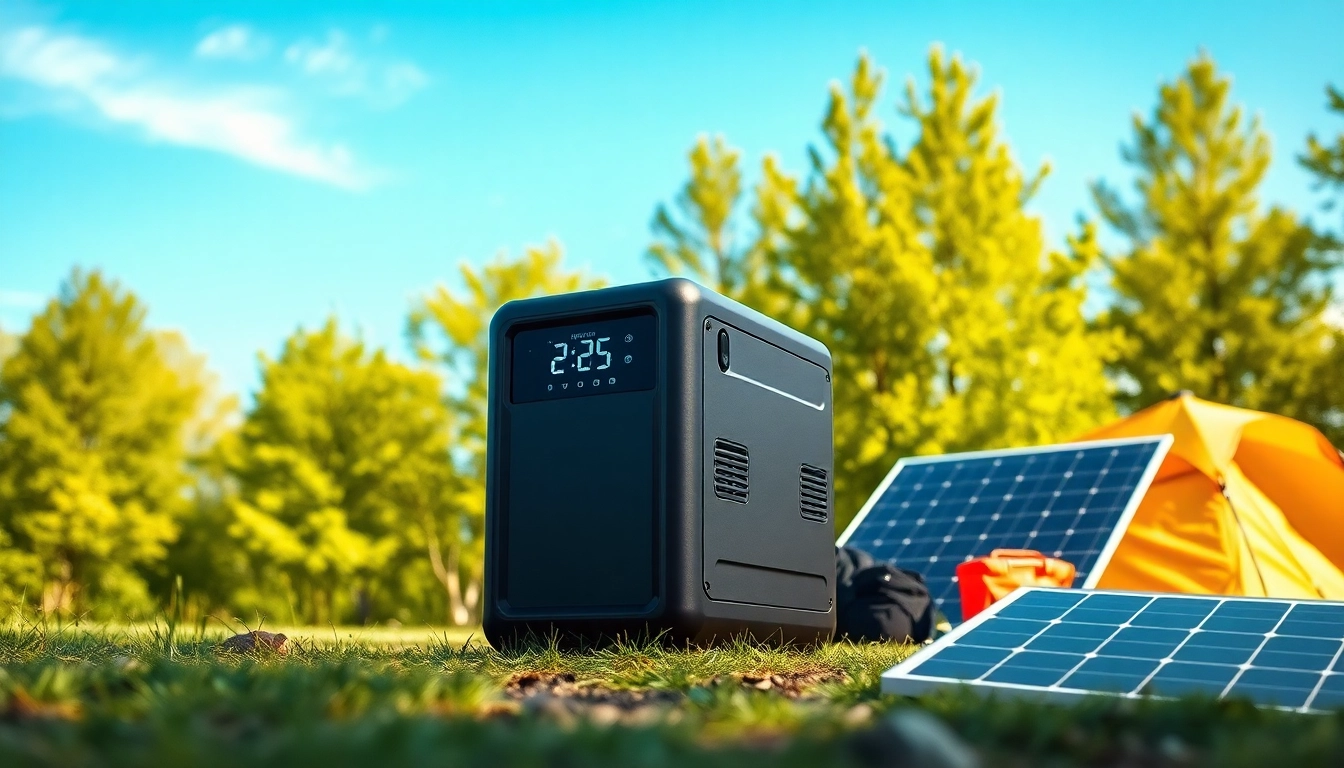
EcoFlow power stations are perfect companions for camping trips. Whether you need power for lights, cooking equipment, or charging electronics, these devices provide a reliable source that enhances the outdoor experience. They can easily charge via solar panels, allowing you to harness natural energy and remain eco-friendly while enjoying nature.
Home Backup Power
As climate change intensifies, having a backup power solution at home has never been more essential. EcoFlow units are capable of powering critical appliances during outages, providing peace of mind. With models like the Delta 1300, you can keep your refrigerator running, ensuring that perishable goods remain safe.
Events and Festivals
For event organizers, EcoFlow power stations can provide a reliable source of electricity for sound systems, lights, and other equipment, allowing events to run smoothly. The quiet operation of these units makes them ideal for large gatherings without disruption.
Maintenance and Troubleshooting
Regular Care for Optimal Performance
To maintain the longevity of your EcoFlow product, regularly follow these maintenance tips:
- Keep the unit clean and free from dust and debris.
- Store at room temperature to avoid extreme heat or cold, which can affect battery performance.
- Perform regular firmware updates to ensure optimal performance and access to new features.
Common Issues and Fixes
During use, you might encounter issues. Here are common problems and simple solutions:
- Device Not Charging: Check the connection and ensure the power source is functioning.
- Low Battery Life: Limit usage to essential devices or ensure devices in use are energy-efficient.
- Overheating: Ensure adequate ventilation around the unit; avoid using in confined spaces.
When to Seek Professional Help
If you face persistent issues such as error alerts or abnormal functioning, it’s advisable to contact customer service. Never attempt to repair internal components without professional assistance, as this could void your warranty.
FAQs
What devices can I power with EcoFlow?
EcoFlow can power a wide range of devices, including laptops, smartphones, lights, mini-fridges, and even small appliances, depending on the model’s capacity.
How long does EcoFlow last on a single charge?
The duration of power depends on the device’s wattage and the EcoFlow model used. For example, smaller devices may run for several hours, while larger appliances may last for 1-3 hours.
Can EcoFlow be used indoors?
Yes, EcoFlow power stations can safely be used indoors. They are rechargeable and emit no fumes, making them a clean and safe power option within homes.
How can I extend my EcoFlow’s lifespan?
To extend your EcoFlow’s lifespan, regularly charge it, avoid deep discharges, and store it in a controlled environment away from extreme temperatures.
Are EcoFlow products weather-resistant?
Most EcoFlow models are designed to withstand some environmental exposure. However, they should not be submerged in water or exposed to extreme weather conditions without proper protection.