
Understanding the Cape Cod Homes Aesthetic
Historical Significance of Cape Cod Homes
The allure of cape cod homes extends beyond their picturesque exteriors; they are rich in history and tradition. Emerging in the early 17th century along the shores of New England, these homes were initially designed to withstand the harsh coastal elements. Their simple, yet functional design catered to the needs of early settlers, focusing on practicality while offering a cozy space for families. The homes reflect a blend of colonial architecture and local building materials, such as wood and shingles, making them a staple of American architectural heritage.
Architectural Features That Define Cape Cod Homes
The quintessential Cape Cod home is easily recognizable through distinctive architectural features. Characteristically, these homes have steeply pitched roofs, designed to shed snow and rain efficiently. Dormer windows not only enhance aesthetics but also serve to increase natural light, making spaces feel larger. The use of wood siding, typically in weathered gray or bright whites, restores a sense of harmony with the surrounding environmental landscape. Additionally, an overall symmetrical façade often includes a central front door framed by sidelights and pilasters, giving the structure a balanced appearance.
Modern Updates and Trends in Cape Cod Homes
While maintaining traditional charm, modern Cape Cod homes have embraced contemporary trends, offering a synthesis of old and new. Notable advancements include open floor plans that promote a flow between indoor and outdoor spaces, accommodating a lifestyle that fosters family interaction. Eco-friendly building materials have found their way into these homes, enhancing both sustainability and aesthetics. The integration of innovative technology such as smart home systems and energy-efficient appliances reflects changing values and lifestyles while preserving the core architectural integrity that defines Cape Cod homes.
Designing Your Dream Cape Cod Home
Choosing the Right Exterior Materials
Selecting appropriate exterior materials is pivotal in successfully constructing a Cape Cod home. Traditional choices favor wooden shingles due to their authentic look and durability in coastal climates. However, fiber cement siding has gained popularity for its resilience and low maintenance, offering a practical alternative that mimics the classic aesthetic. Paint color also plays a role; muted pastels and whites not only encourage longevity but blend seamlessly into the landscape, reflecting the coastal surroundings that make Cape Cod special.
Implementing Functional Indoor Spaces
In designing interiors, functionality should intertwine with comfort in Cape Cod homes. Open-concept layouts create an inviting atmosphere while maximizing space utility, allowing for both casual gatherings and formal entertaining. Incorporating built-in furniture, such as benches and bookshelves, enhances space efficiency while adding character. Additionally, strategic layout planning should focus on maximizing light through large windows and glass doors, which create a visually generous space and connect the indoors with breathtaking outdoor views.
Landscaping Ideas for Cape Cod Homes
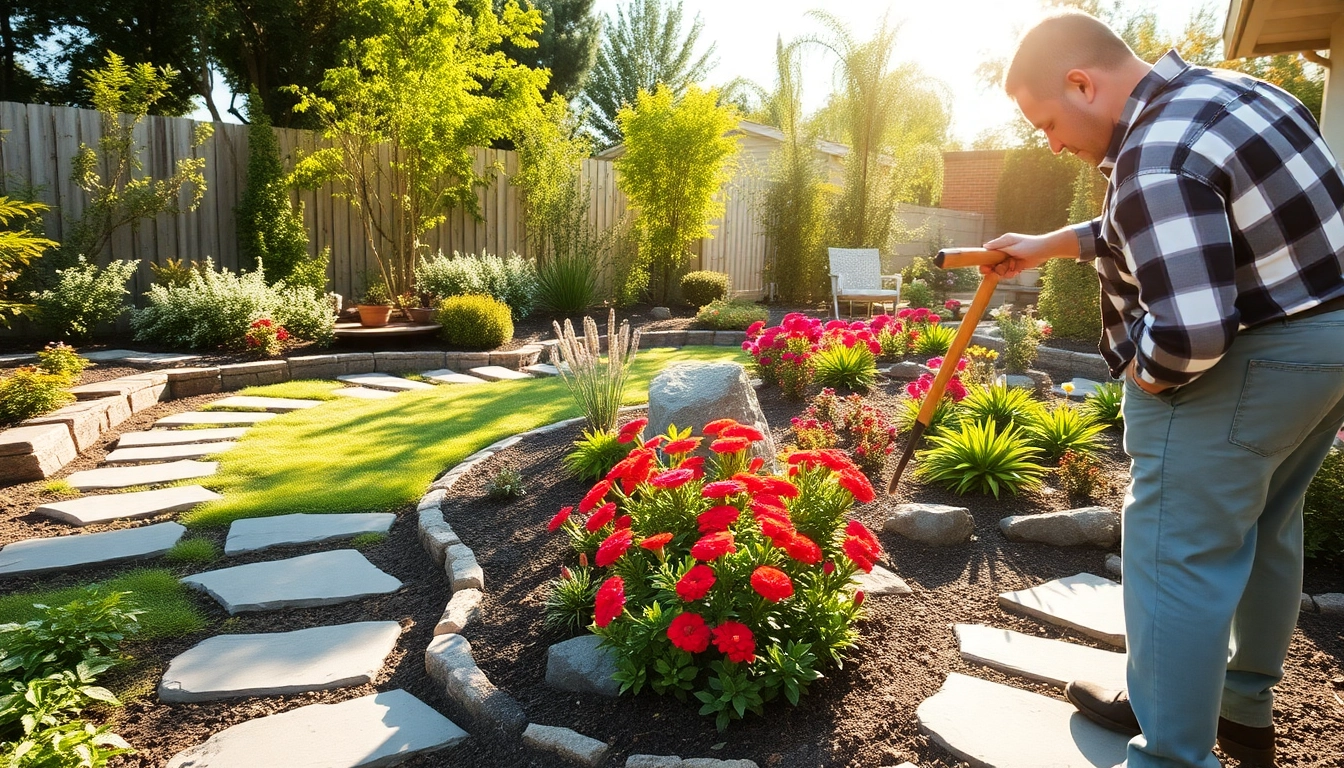
The exterior landscaping of a Cape Cod home should echo its flowing architectural lines while remaining functionally appealing. Native plants and grasses are ideal, as they require minimal maintenance and provide a natural coastal aesthetic. Incorporating pathways of stone or gravel can enhance the outdoor experience, guiding visitors through the landscape. Moreover, building outdoor spaces like patios and decks made from natural materials enlarges living areas while fostering an outdoor lifestyle, perfect for coastal living.
Sustainability Practices in Cape Cod Homes
Eco-Friendly Building Materials
Sustainability in building practices is becoming increasingly important in Cape Cod homes. Homeowners are replacing traditional materials with sustainable alternatives, such as bamboo flooring or reclaimed wood, that reduce environmental impact. Additionally, using low-VOC (volatile organic compounds) paints and finishes contributes to healthier indoor air quality. By opting for materials that align with eco-friendly practices, homeowners can build structures that not only look good but also preserve the beauty of Cape Cod for future generations.
Energy Efficiency Trends
Energy efficiency is a significant consideration when designing Cape Cod homes. Incorporating high-quality insulation and energy-efficient windows helps maintain comfortable indoor temperatures year-round while reducing energy costs. Installing solar panels and geothermal heating systems are proactive steps towards a greener future that many homeowners are beginning to embrace. By aligning modern technology with traditional aesthetics, Cape Cod residences can offer comfort without compromising environmental values.
Water Conservation Techniques
Water conservation is paramount, especially in coastal areas where resources may be limited. Cape Cod homes can adopt rainwater harvesting systems that collect and store rain for irrigation purposes. Additionally, xeriscaping—landscaping that reduces or eliminates the need for irrigation—can significantly decrease water reliance. Installing efficient appliances and fixtures also plays an essential role in conserving water, ensuring homeowners contribute positively to the local ecosystem.
Embracing Coastal Living: Cape Cod Homes
Creating Outdoor Living Spaces
One of the joys of living in a Cape Cod home is the opportunity to maximize outdoor spaces. Creating inviting outdoor living areas with elements like fire pits, comfortable seating, and dining spaces encourages residents to enjoy their surroundings. Pergolas and awnings provide shade while enhancing visual appeal. Thoughtful landscaping that incorporates local flora not only beautifies the space but also fosters a connection with nature, aligning perfectly with the ethos of coastal living.
Maximizing Views and Natural Light
In Cape Cod homes, the design should strive to maximize natural light and views, bridging the indoors and outdoors. Large, strategically positioned windows and glass doors create a seamless transition while allowing breathtaking vistas to permeate the living space. Skylights add another dimension of light through interiors, making small rooms feel larger and more inviting. This focus on the natural environment brings the beauty of Cape Cod right into the home.
Harmonizing with the Surrounding Environment
Successful Cape Cod homes blend harmoniously with their surroundings, taking cues from the local landscape. Utilizing natural materials for both the home and landscaping ensures that the properties do not stand in stark contrast to nature. Color palettes that reflect the ocean and the dunes can create a cohesive look that integrates homes into their environment, whether through sandy beige tones or deep blues. This approach not only respects the coastal ecosystem but promotes a serene living experience that embodies the essence of Cape Cod.
Common Challenges When Building Cape Cod Homes
Weather-Related Considerations
Constructing Cape Cod homes requires careful consideration of weather patterns, especially given the region’s coastal environment. Homeowners must select durable materials that can withstand high winds and potential flooding scenarios. Elevated foundations may also be needed to protect against storm surges. Employing professionals knowledgeable about local conditions can mitigate these risks, providing peace of mind while ensuring homes remain structurally sound.
Budgeting for a Cape Cod Home
Budgeting effectively for a Cape Cod home involves understanding both the direct and indirect costs associated with construction. Homeowners should account for materials, labor, permits, and unforeseen expenses in their planning. Regular consultations with architects and builders can help keep projects on track and within budget, allowing for a clear understanding of financial commitments from the outset. Transparent communication throughout the process is key to a successful build.
Navigating Local Building Codes
Navigating local building codes can present challenges, as coastal regulations may differ from those on the mainland. Homeowners must ensure that their designs conform to local zoning laws, environmental regulations, and safety standards. Consulting professionals familiar with Cape Cod’s specific requirements can streamline the permitting process, enhancing compliance while minimizing delays during construction.
What are typical features of cape cod homes?
Typical features include steep roofs, dormer windows, and shingle siding, often painted in soft colors. These elements create a cozy yet elegant aesthetic.
How can you enhance a cape cod home’s curb appeal?
Enhancing curb appeal can be done with well-maintained landscaping, a painted front door, and outdoor lighting that highlights architectural details.
What maintenance is required for cape cod homes?
Regular maintenance includes inspecting shingles, cleaning gutters, repainting, and ensuring that outdoor spaces are well-kept to prevent wear.
Are cape cod homes energy efficient?
Yes, with proper insulation and modern energy-efficient windows, cape cod homes can achieve excellent energy efficiency, reducing heating and cooling costs.
Can cape cod homes be built in different styles?
Yes, while traditional cape cod homes hold classic designs, modern adaptations may incorporate contemporary elements to fit various preferences.